






What's Happening?
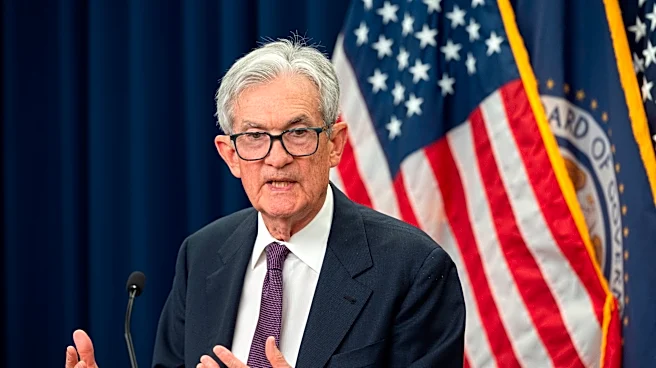
Kevin Warsh, nominated by President Trump to succeed Jerome Powell as the Federal Reserve Chair, is advocating for significant changes in the Fed's approach to monetary policy. Warsh has criticized the Fed's large-scale asset purchases, which expanded
its balance sheet to nearly $9 trillion by 2022, arguing that these actions have distorted financial markets and exacerbated wealth inequality. He proposes a more aggressive reduction of the Fed's balance sheet, which could lead to higher Treasury yields and impact stock valuations. Warsh's stance marks a departure from Powell's gradual approach to inflation, emphasizing the importance of managing inflation expectations alongside actual inflation data.
Why It's Important?
Warsh's potential leadership could signal a shift in the Federal Reserve's priorities, focusing more on price stability than on supporting asset prices and employment. This change could lead to tighter financial conditions, affecting corporate borrowing costs and market liquidity. Wall Street may face increased volatility, particularly in the Treasury markets, as the Fed reduces its role as a major buyer of government debt. Warsh's approach could challenge the longstanding 'Fed put' that investors have relied on, potentially leading to slower economic growth or higher unemployment as the Fed prioritizes controlling inflation expectations.
What's Next?
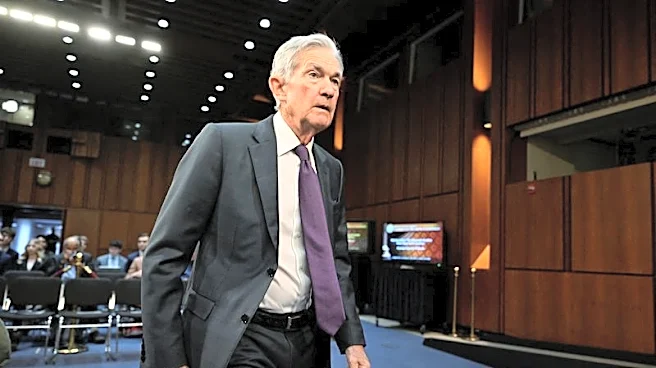
If confirmed, Warsh is expected to implement policies that could reshape the Federal Reserve's role in the economy. The Senate is anticipated to vote on his confirmation before Powell's term ends on May 15. Market participants and policymakers will closely monitor Warsh's actions, as his policies could have significant implications for financial markets and the broader economy. The transition may prompt reactions from various stakeholders, including political leaders and financial institutions, as they adjust to a potentially more hawkish Fed.