
What's Happening?
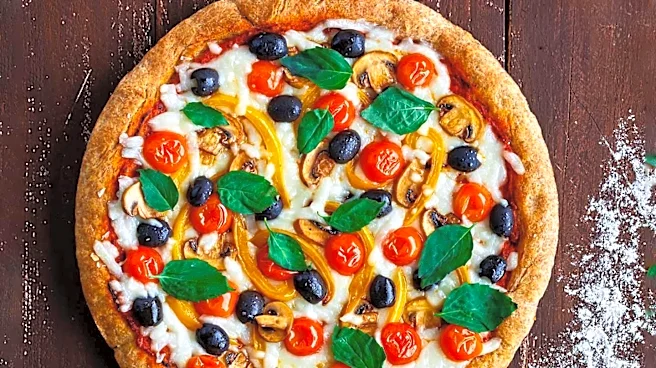
London has emerged as a notable destination in the global pizza scene, with some enthusiasts claiming it now offers the world's best pizzas. The city's pizza offerings blend elements from Neapolitan, New
York, and Roman styles, yet they do not adhere to traditional rules. This new wave of 'London pizza' is characterized by its experimental approach, incorporating high-quality ingredients and diverse cooking techniques. The trend has led to the opening of numerous new restaurants, attracting both major investors and long queues of eager customers. Notable figures in this movement include Gerry del Guercio and Paul Delany, who have popularized the term 'London pizza' through their food review series and their own restaurant, Carmela's. The style is celebrated for its innovation and the way it reflects the diverse communities of London.
Why It's Important?
The rise of London pizza signifies a shift in the culinary landscape, challenging established pizza capitals like New York and Naples. This development highlights London's growing influence in the global food industry, showcasing its ability to innovate and redefine traditional dishes. The trend also underscores the city's cultural diversity, as the fusion of different styles and techniques reflects the multicultural makeup of London. For the U.S., this evolution in pizza culture could inspire similar culinary innovations and encourage American chefs to experiment beyond traditional boundaries. The success of London pizza could also impact the restaurant industry, prompting a reevaluation of what constitutes a 'classic' pizza and potentially influencing consumer preferences and dining experiences.
What's Next?
As London pizza continues to gain popularity, further expansion of this culinary trend is expected. New restaurants are likely to open, both within London and potentially in other cities, as the style gains international recognition. Investors may increasingly seek opportunities in this burgeoning market, leading to more collaborations and partnerships. Additionally, the success of London pizza could inspire chefs in other regions to explore similar experimental approaches, potentially leading to new variations and innovations in the pizza industry. The ongoing evolution of London pizza may also prompt food critics and culinary institutions to reassess their criteria for evaluating and ranking pizzas globally.
Beyond the Headlines
The emergence of London pizza raises questions about the nature of culinary authenticity and tradition. As chefs continue to experiment and blend different styles, the definition of what constitutes 'authentic' pizza may evolve. This trend also highlights the role of cultural exchange in shaping food practices, as London's diverse population contributes to the development of new culinary styles. Furthermore, the success of London pizza could influence perceptions of British cuisine, challenging stereotypes and showcasing the country's dynamic food scene. The movement may also encourage a broader acceptance of culinary innovation, paving the way for other non-traditional food trends to gain recognition and popularity.