



What's Happening?
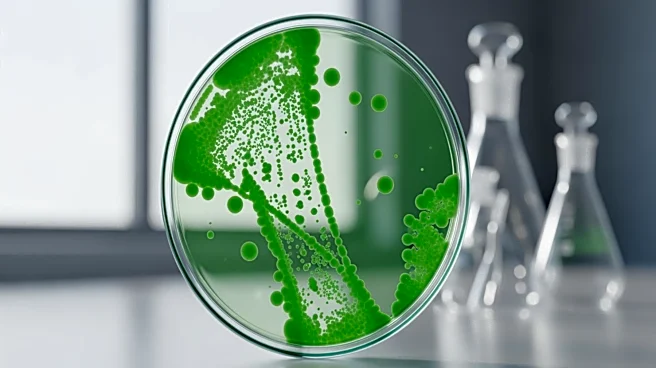
Scientists at Jiangnan University have successfully engineered Escherichia coli to produce gadusol, a natural compound with UV-protective and antioxidant properties. Gadusol, typically found in fish eggs and marine organisms, is scarce and difficult to extract.
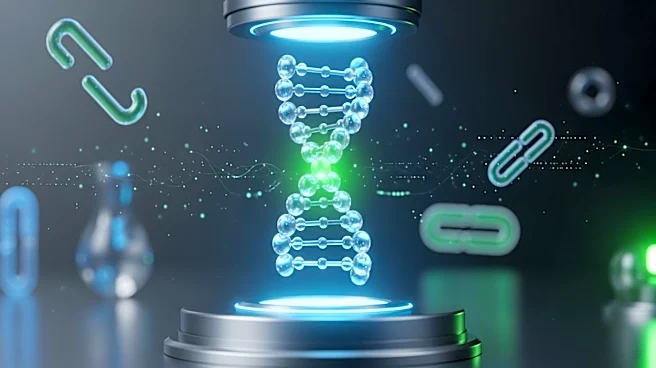
The research team developed a method to produce gadusol in microbial 'cell factories,' increasing yield by over 90 times. This breakthrough could lead to sustainable production of gadusol for use in sunscreens and skincare products. The study, published in Trends in Biotechnology, highlights the potential of microbial production as a greener alternative to traditional extraction methods.
Why It's Important?
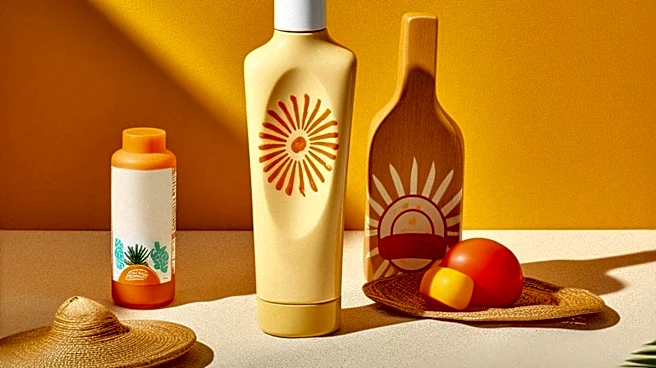
The ability to produce gadusol sustainably in E. coli represents a significant advancement in biotechnology, offering a renewable source of a compound with potential applications in cosmetics and pharmaceuticals. Gadusol's UV-protective and antioxidant properties make it an attractive ingredient for sunscreens, especially as consumers seek alternatives to conventional ingredients that may have environmental or health concerns. This development could lead to more environmentally friendly and effective sun protection products, reducing reliance on petrochemicals and minimizing ecological impact.
What's Next?
While the lab-produced gadusol shows promise, further research is needed to compare its efficacy with commercial sunscreens and assess its safety for human use. Regulatory approval will be required before gadusol can be marketed as a sunscreen ingredient. The researchers plan to continue optimizing the production process and exploring the compound's potential applications. If successful, gadusol-based products could enter the market within a few years, offering consumers a natural and sustainable option for sun protection.