








What's Happening?
Manny A. Varas, a prominent builder known as 'the Billionaire's Builder,' is observing a significant shift in the preferences of his ultrawealthy clients. Based in Miami, Varas is currently constructing homes valued between $50 to $100 million for billionaire
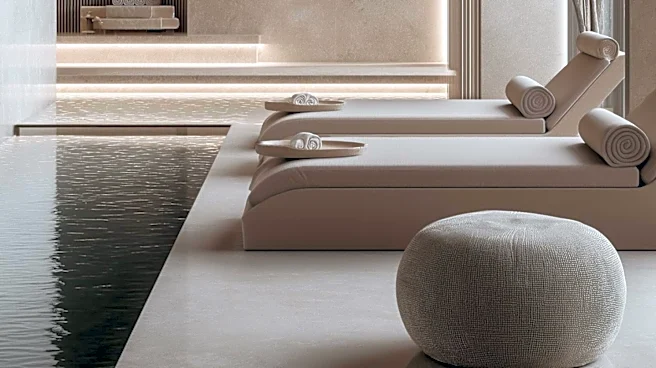
families, including celebrities and CEOs. He notes a growing trend towards wellness and biophilic design, with clients increasingly requesting features that promote holistic living and longevity. Traditional recreational spaces like media rooms and bars are being replaced by wellness amenities such as saunas and cold plunges. Additionally, high-end audio systems are being integrated discreetly into home designs, reflecting a desire for luxury without visible clutter. Varas also highlights the importance of maintaining consistent climate control settings across multiple properties owned by high-net-worth individuals, ensuring comfort regardless of location.
Why It's Important?
This trend towards wellness and biophilic design in luxury homes reflects broader societal shifts towards health and sustainability. As affluent individuals prioritize wellness, it could influence the real estate market, driving demand for homes that incorporate natural elements and promote a healthy lifestyle. This shift may also impact the construction industry, encouraging builders to adopt sustainable practices and innovative design solutions. The emphasis on discreet luxury, such as hidden audio systems, suggests a move away from ostentatious displays of wealth towards more subtle expressions of affluence. This could redefine luxury standards and influence consumer expectations across various market segments.
What's Next?
As the demand for wellness-focused homes grows, builders and developers may increasingly incorporate biophilic design principles and wellness amenities into their projects. This could lead to a rise in collaborations with wellness experts and sustainability consultants to create homes that meet the evolving needs of affluent clients. Additionally, the trend may spur innovation in home technology, with a focus on integrating advanced systems that enhance comfort and convenience without compromising aesthetics. The real estate market may also see a shift in property valuations, with homes offering wellness features potentially commanding higher prices.
Beyond the Headlines
The move towards wellness and biophilic design in luxury homes highlights a cultural shift towards valuing health and sustainability. This trend could have long-term implications for urban planning and architecture, encouraging the development of communities that prioritize green spaces and environmental well-being. It also raises ethical considerations regarding the accessibility of wellness amenities, as these features become associated with luxury living. The focus on discreet luxury may influence consumer behavior, promoting a more understated approach to wealth and status.