






What's Happening?
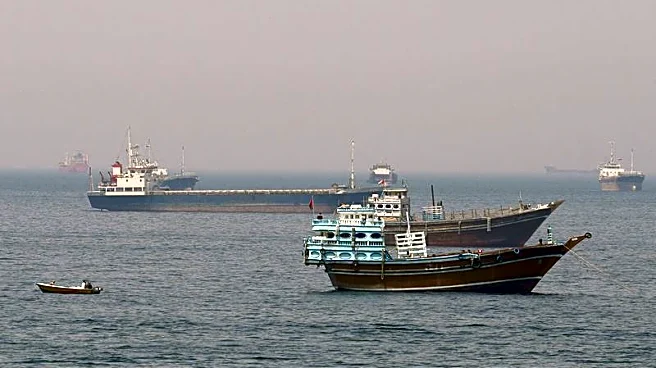
The aviation industry is bracing for potential disruptions as the UK government warns of possible flight cancellations due to jet fuel shortages. The conflict in the Middle East has blocked the Strait of Hormuz, a critical passage for 20% of the world's
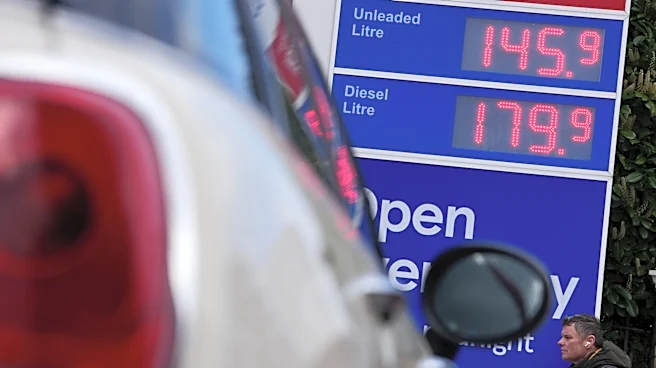
fuel supply, leading to increased fuel prices and supply chain threats. Despite these challenges, airlines are striving to maintain operations, particularly during the lucrative summer travel season. The UK Department for Transport has issued guidance allowing airlines to apply for exemptions from the 'use it or lose it' rule regarding airport slots, which typically requires airlines to use at least 80% of their allocated slots to retain them for the following year. This measure aims to minimize passenger disruption by allowing airlines to focus on essential flights without the pressure of losing future slots.
Why It's Important?
The potential fuel shortages and resulting flight cancellations could significantly impact the aviation industry, particularly during the peak summer travel season. Airlines rely heavily on summer holiday travel for revenue, and disruptions could lead to financial losses. The government's exemption from the slot usage rule provides some relief, allowing airlines to prioritize essential flights and reduce the risk of last-minute cancellations. However, passengers may face fewer available flights and potential rebookings, affecting travel plans. The situation underscores the broader economic impact of geopolitical conflicts on global supply chains and industries reliant on stable fuel supplies.
What's Next?
Airlines are likely to continue monitoring fuel supplies closely and may adjust flight schedules to mitigate the impact of shortages. The focus will be on maintaining international and high-demand routes while potentially reducing domestic flights. Passengers are advised to stay informed about their flight status and understand their rights to refunds or rebookings in case of cancellations. The aviation industry may also advocate for further government support or policy adjustments to navigate the ongoing challenges.