






What's Happening?
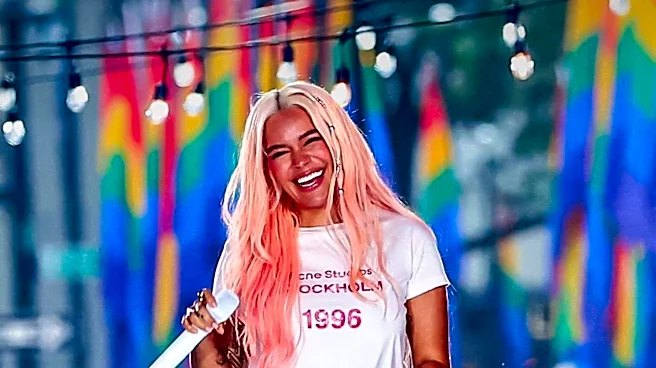
The 2026 Lexington Pride Festival in Kentucky attracted thousands of attendees, marking its 18th year as a significant event for the LGBTQ+ community. The festival featured a variety of activities, including drag performances, art activities, and arm
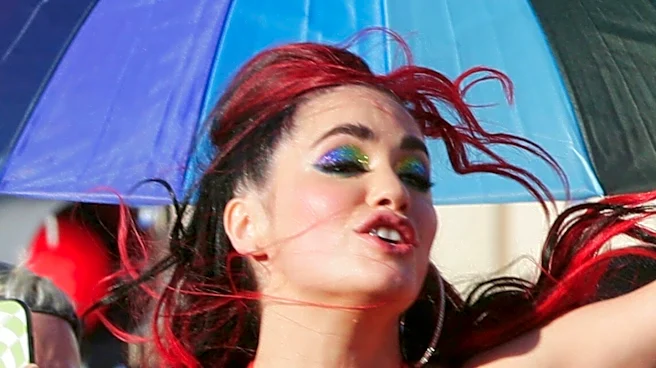
wrestling competitions. Notably, the event was headlined by drag queens from the popular show Ru Paul’s Drag Race. The festival, which serves as the main annual fundraiser for the Lexington Pride Center, saw an increase in financial sponsorships compared to previous years. This year, the festival was held along Oliver Lewis Way, a change from its previous location at the Robert Stephens courthouse square. Organizers implemented several improvements based on feedback from last year, such as adding ramps for accessibility and providing American Sign Language interpreters. The festival also introduced a new feature: a row of signs highlighting queer history, developed in partnership with the Faulkner Morgan Archive.
Why It's Important?
The Lexington Pride Festival is a vital event for the LGBTQ+ community, providing a space for celebration, visibility, and community building. It highlights the ongoing efforts to create inclusive environments where individuals can express themselves freely and safely. The festival's growth in attendance and sponsorship reflects a broader acceptance and support for LGBTQ+ rights and culture. Additionally, the event's success as a fundraiser is crucial for the Lexington Pride Center, which relies on these funds to continue its advocacy and support work. The inclusion of historical education through the queer history signs also emphasizes the importance of recognizing and preserving LGBTQ+ history, contributing to a more informed and inclusive society.
What's Next?
As the festival continues to grow, organizers may look to further expand its reach and impact. The success of this year's event could lead to increased participation and sponsorship in future years. The historical signs initiative may also inspire similar educational efforts at other Pride events across the state, fostering a greater understanding of LGBTQ+ history and issues. The festival's timing in late May, rather than June, may set a precedent for other Pride events seeking to avoid the summer heat, potentially influencing scheduling decisions for similar events.