





What's Happening?
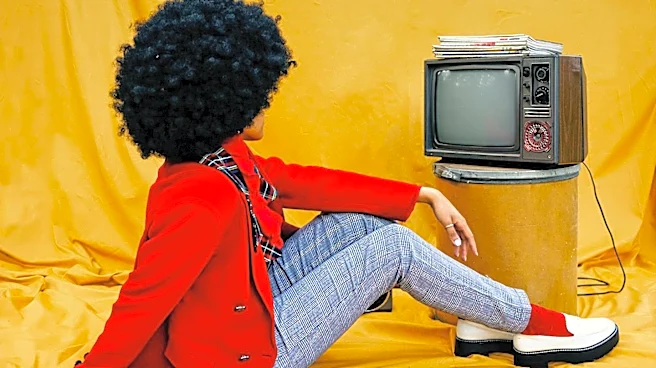
Grooming rules regarding Black hair are under scrutiny across the African and Caribbean diaspora, as incidents of discrimination continue to surface. These rules, often rooted in colonial ideals of 'neatness,' affect how Black hair is treated in schools
and workplaces. Cases in Jamaica, the UK, and the US highlight the ongoing challenges faced by individuals with natural Black hairstyles. Historical context reveals that hair discrimination can be traced back to the transatlantic slave trade, where enslaved Africans were stripped of cultural markers tied to hairstyles. Despite progress in some areas, colonial-era attitudes persist, influencing policies and perceptions of Black hair.
Why It's Important?
The scrutiny of grooming rules for Black hair is significant as it addresses broader issues of racial discrimination and cultural identity. These rules often disproportionately affect Black individuals, limiting their expression and reinforcing Eurocentric standards of appearance. The ongoing debate highlights the need for more inclusive policies that recognize and respect cultural diversity. Addressing hair discrimination is crucial for promoting equality and reducing racial bias in educational and professional settings. It also reflects a broader movement towards recognizing and valuing cultural heritage and identity.
What's Next?
Efforts to combat hair discrimination are gaining momentum, with legislative changes and advocacy campaigns pushing for more inclusive policies. In the US, the Crown Act aims to ban discrimination based on natural hairstyles, while similar initiatives are emerging in other countries. Schools and workplaces may need to revise their grooming policies to accommodate diverse hair textures and styles. Continued advocacy and education are essential for challenging ingrained biases and promoting acceptance of cultural diversity. As awareness grows, more institutions may adopt policies that protect individuals from hair discrimination.