



What's Happening?
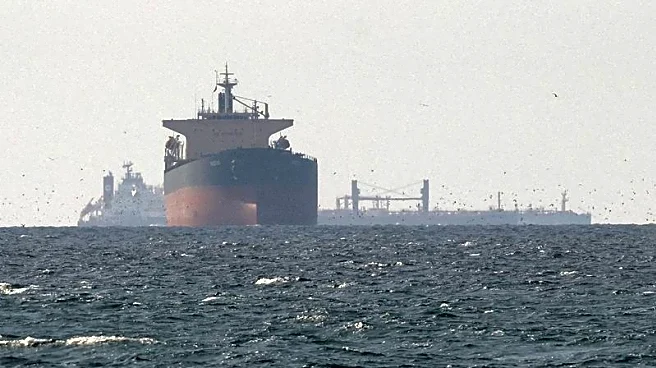
The ongoing conflict in Iran is testing the safe haven status of government bonds, traditionally seen as stable investments during market volatility. Since the U.S. and Israeli strikes on Iran, oil prices have surged, leading to increased inflation risks.
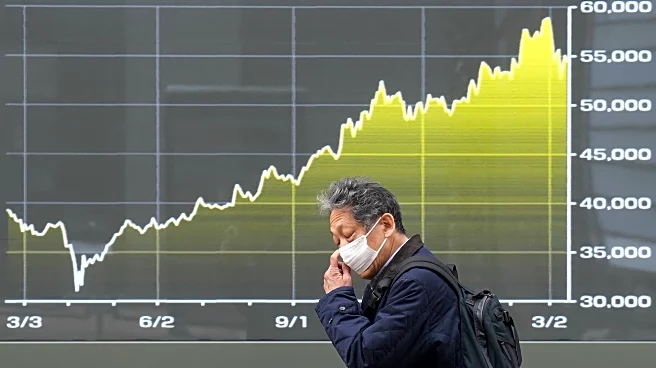
This has caused bond yields to rise, as investors demand higher returns to compensate for potential losses in purchasing power. Typically, bond yields fall during stock market downturns as investors seek safety, but the current situation is different due to the inflationary pressures from rising energy costs. The conflict has led to a divergence in the usual behavior of bonds and equities, with both experiencing volatility.
Why It's Important?
The shift in the behavior of government bonds amid the Iran conflict underscores the complex interplay between geopolitical events, energy prices, and financial markets. As oil prices rise, they contribute to inflation, which erodes the fixed income from bonds, prompting investors to seek higher yields. This situation challenges the traditional role of bonds as a hedge against equity market volatility. The developments highlight the broader economic implications of geopolitical tensions, particularly in regions critical to global energy supply. Investors and policymakers must navigate these challenges, balancing the need for stability with the realities of inflation and market dynamics.
What's Next?
As the conflict continues, market participants will closely watch oil price movements and their impact on inflation and bond yields. Central banks may need to adjust monetary policies to address inflationary pressures, potentially influencing interest rates and economic growth. Investors might reassess their portfolios, considering the changing dynamics of bonds and equities. The situation could also prompt discussions on the need for diversified investment strategies to mitigate risks associated with geopolitical events and energy price fluctuations.