





What's Happening?
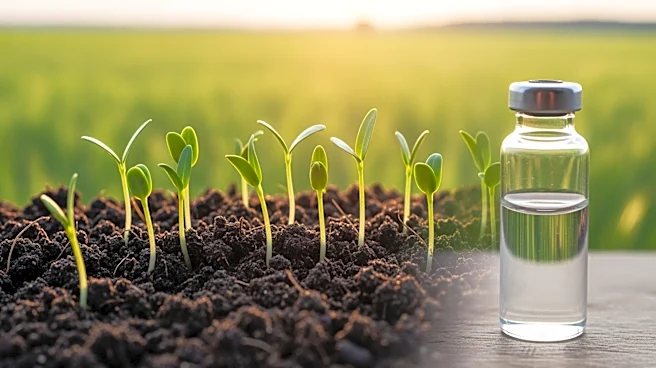
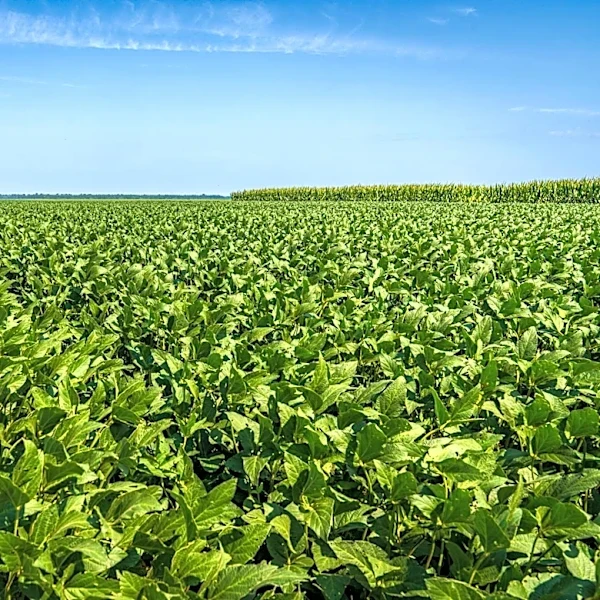
Danone is significantly investing in regenerative agriculture as part of its strategy to mitigate climate risks and enhance supply chain resilience. The company has been actively partnering with farmers globally, including over 50 producers in the U.S.,
to implement practices that improve soil health, water management, and biodiversity. As of 2026, 91% of Danone's milk supply is monitored through farm-level assessment tools, and 42% of its key ingredients are sourced from farms practicing regenerative agriculture. This initiative is part of Danone's broader Net Zero 2050 strategy, which includes reducing methane emissions and ensuring deforestation-free commodities.
Why It's Important?
Danone's commitment to regenerative agriculture is crucial for addressing environmental challenges and ensuring long-term sustainability in the food industry. By focusing on soil health, water conservation, and biodiversity, Danone aims to reduce its carbon footprint and enhance the resilience of its supply chain. This approach not only supports environmental goals but also benefits farmers by improving profit margins and reducing input costs. The initiative aligns with increasing consumer demand for sustainable products and regulatory expectations, positioning Danone as a leader in sustainable agriculture practices.
What's Next?
Danone plans to continue expanding its regenerative agriculture practices, with a target to source 45% of its key ingredients from regenerative farms by 2030. The company will likely enhance its partnerships with farmers and other stakeholders to scale these practices globally. Additionally, Danone's collaboration with organizations like The Nature Conservancy aims to further innovate and drive change in sustainable agriculture. Monitoring and reporting on progress will remain a priority to ensure transparency and accountability in achieving its sustainability goals.