



What's Happening?
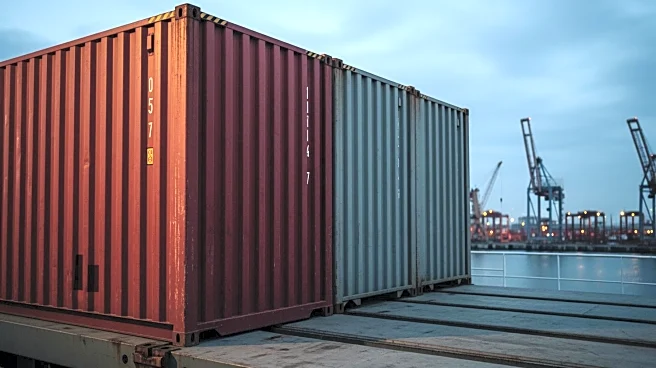
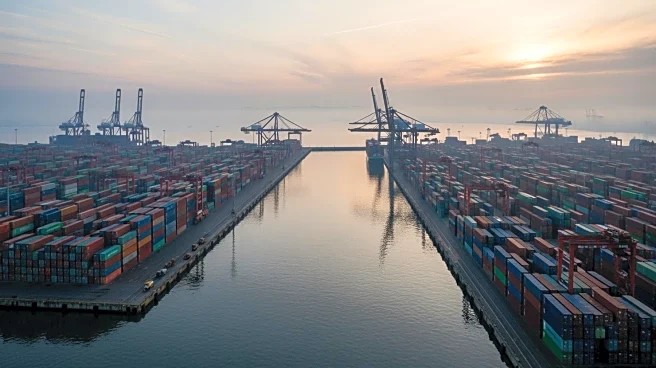
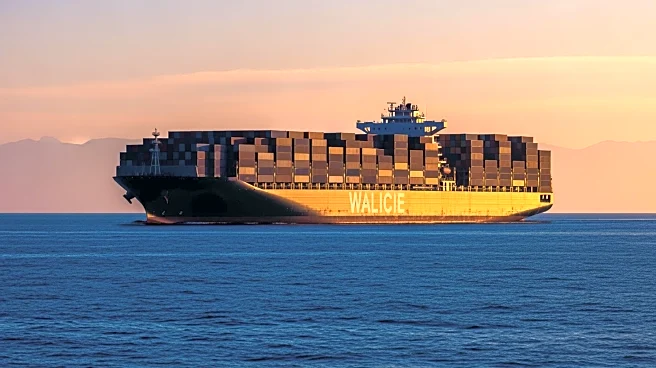
The Intermodal Association of North America (IANA) reported a 5.9% decline in intermodal volumes for January 2026, with total volumes at 1,469,047 units. This decline follows a series of decreases in the previous months, despite gains in September and
August. Trailers saw a 7.2% annual decline, while domestic containers fell by 2.5%. ISO containers experienced an 8.9% drop. The decline is attributed to various factors, including tariff uncertainties and changes in consumer spending patterns. Despite these challenges, 2025 saw a 2.3% annual gain in total volume, driven by consumer spending and improved railroad performance.
Why It's Important?
The decline in intermodal volumes highlights ongoing challenges in the transportation and logistics sectors, influenced by tariff policies and economic uncertainties. Intermodal transport is a critical component of supply chains, and fluctuations in volume can impact shipping costs, delivery times, and overall supply chain efficiency. The data suggests that while the economy remains resilient, external factors such as tariffs and geopolitical tensions continue to pose risks. Understanding these dynamics is essential for stakeholders to adapt strategies and maintain competitiveness in a volatile market.
What's Next?
Looking ahead, IANA anticipates a potential 1.25% annual increase in intermodal volumes for 2026, driven by industrial activity and consumer demand. However, the trajectory remains uncertain due to tariff policies and geopolitical developments. The possibility of intermodal gaining market share from trucking, amid capacity challenges in the trucking industry, presents an opportunity for growth. Stakeholders will need to navigate these complexities, balancing risks and opportunities to optimize supply chain operations.