
What's Happening?
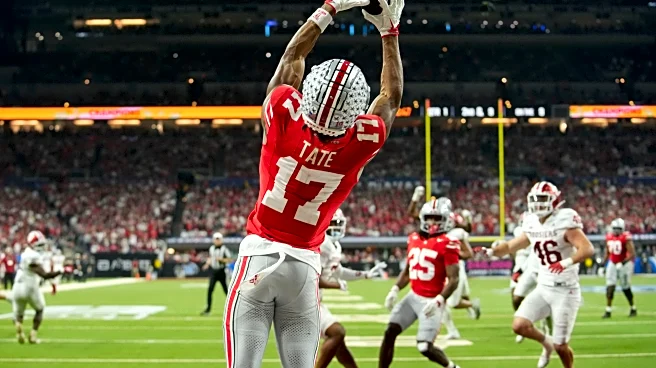
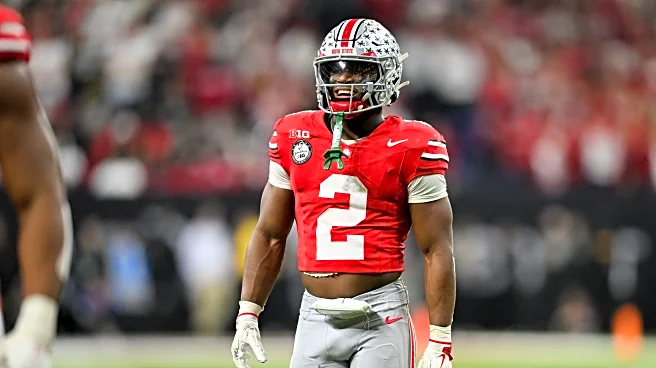
The 2026 NFL Draft is characterized by a number of high-risk, high-reward prospects, with Ohio State linebacker Arvell Reese standing out as a significant boom-or-bust candidate. Reese, projected as the
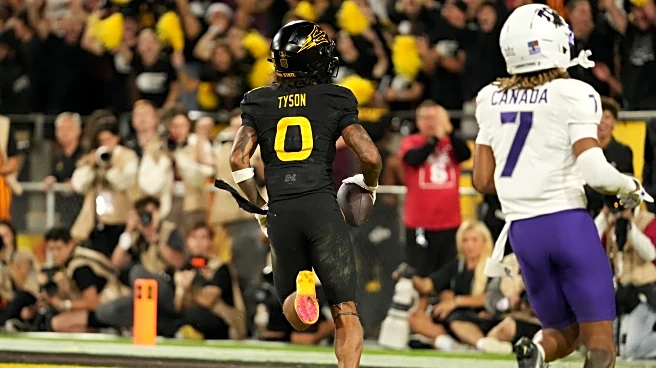
No. 2 overall pick, faces questions regarding his position in the NFL, whether as a linebacker or edge defender. His pass-rush win rate of 13% is notably lower than peers like Micah Parsons and Abdul Carter. Other prospects, such as wide receiver Jordyn Tyson from Arizona State and cornerback Jermod McCoy from Tennessee, also present concerns due to their injury histories. Tyson, despite a strong performance with an 89.5 PFF receiving grade, has missed significant playing time due to multiple injuries. McCoy, who missed the entire 2025 season with a torn ACL, is expected to be a top 15 pick if he performs well at the NFL Combine. These players, among others, highlight the draft's lack of 'can't miss' prospects, with many top players having significant questions in their scouting reports.
Why It's Important?
The 2026 NFL Draft's focus on boom-or-bust prospects underscores the challenges teams face in balancing potential against risk. For franchises, selecting players like Arvell Reese or Jordyn Tyson involves betting on their ability to overcome positional uncertainties or injury histories. The draft's outcome could significantly impact team strategies and roster compositions, as teams may need to invest in player development or medical support to maximize these players' potential. The decisions made in this draft could influence team performances and league dynamics for years, as high draft picks often become foundational players. Additionally, the draft's nature may lead to more cautious approaches from teams, potentially affecting trade dynamics and draft-day decisions.
What's Next?
As the draft approaches, teams will closely monitor the health and performance of prospects like Jordyn Tyson and Jermod McCoy, particularly during the NFL Combine. Their medical evaluations and on-field performances will be critical in determining their draft positions. Teams will also need to assess their own risk tolerance and developmental capabilities when considering players like Arvell Reese, who may require position adjustments. The draft's outcome will likely prompt discussions on player development strategies and the importance of medical evaluations in the drafting process. Teams may also explore trade options to mitigate risks associated with high-risk prospects.