





What's Happening?
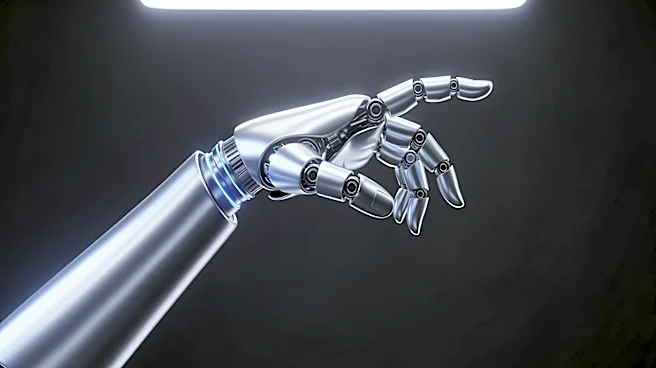
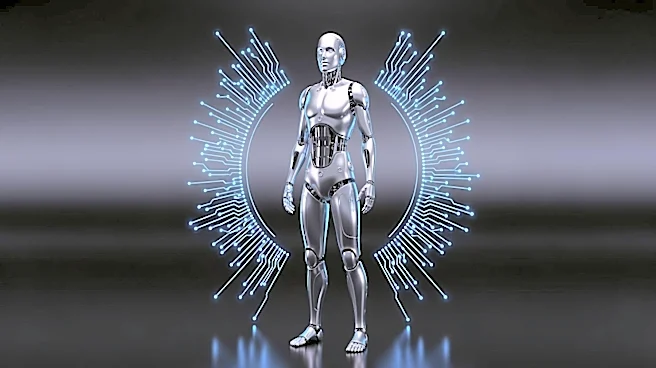
A new open-source humanoid robot named Asimov v1 has been introduced, providing a more accessible entry point into humanoid robotics. Unlike previous high-cost models from companies like Honda and Tesla, Asimov v1 is designed to be more affordable, with
a kit version priced at $15,000 USD. The robot is open source, allowing users to customize and program it according to their needs. It features 25 degrees of freedom and requires components like a Raspberry 5 and a Radaxa CM5 for its onboard computing. The robot's capabilities include basic physical tasks, though it is not designed for heavy lifting or complex tasks like writing symphonies.
Why It's Important?
The introduction of Asimov v1 represents a significant shift in the accessibility of humanoid robotics. By offering an open-source platform, it allows hobbyists, researchers, and developers to experiment and innovate without the prohibitive costs associated with traditional humanoid robots. This democratization of technology could lead to rapid advancements in robotics as more individuals and smaller organizations can participate in development. It also highlights a growing trend towards open-source solutions in technology, which can foster collaboration and accelerate technological progress.
What's Next?
Asimov v1's open-source nature means that its development and capabilities will largely depend on the community that adopts it. Users can expect to see a variety of modifications and enhancements as developers experiment with the platform. This could lead to new applications and improvements in humanoid robotics. Additionally, the success of Asimov v1 could inspire other companies to release open-source versions of their products, further expanding the field of robotics.
Beyond the Headlines
The release of Asimov v1 also raises questions about the future of robotics in everyday life. As robots become more accessible, there may be ethical and societal implications to consider, such as privacy concerns and the impact on employment. The open-source model also poses security challenges, as the ease of modification could lead to vulnerabilities if not properly managed. These factors will need to be addressed as the technology becomes more widespread.