







What's Happening?
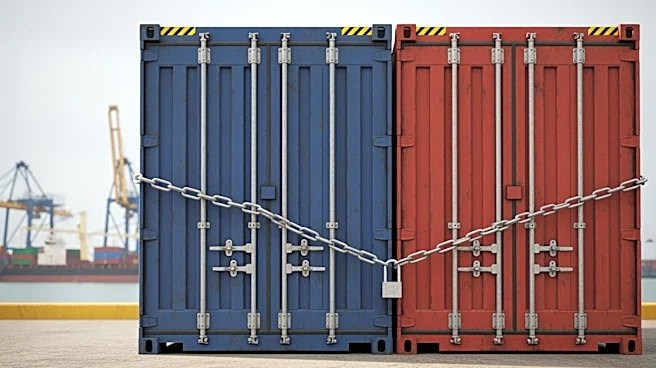
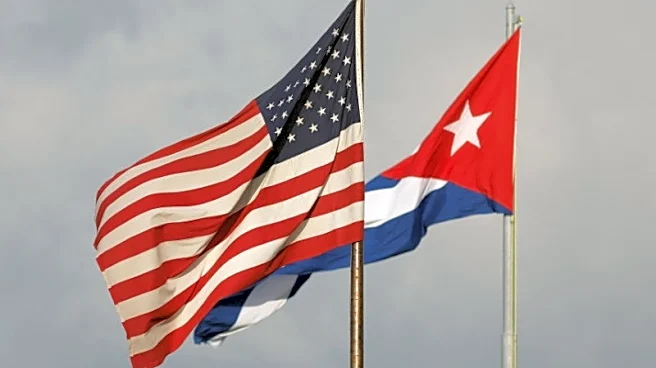
Sherritt International Corp., a Canadian mining company, has decided to halt its plans to dissolve its joint venture in Cuba. This decision comes in response to the expansion of U.S. sanctions against Cuba, which have intensified under the Trump administration.
The company had initially announced the dissolution of its Cuban operations but reversed this decision after consulting with advisers, stakeholders, and governmental authorities. Sherritt holds a 50% interest in the Moa joint venture with Cuba's General Nickel Co. S.A., which is crucial for Cuba's foreign exchange as it involves mining nickel in Cuba and refining it in Canada. Despite halting the dissolution, Sherritt continues to face operational, financial, and legal challenges, including compliance with debt covenants, due to the increased sanctions.
Why It's Important?
The decision by Sherritt International to maintain its Cuban operations highlights the significant impact of U.S. sanctions on international business activities. The sanctions have created a challenging environment for foreign companies operating in Cuba, forcing them to reconsider their business strategies. For Sherritt, the joint venture is not only a critical source of revenue but also a key player in Cuba's economy. The company's decision to stay could help preserve its investments and maintain its market position, but it also underscores the broader geopolitical tensions affecting business operations. The situation reflects the complexities faced by companies navigating international sanctions and the potential economic repercussions for both the businesses involved and the Cuban economy.
What's Next?
Sherritt International will continue to evaluate the 'potential value preserving opportunity' it has been presented with, which could influence its future operations in Cuba. The company will need to address the operational and financial challenges posed by the U.S. sanctions, including ensuring compliance with debt covenants. The ongoing geopolitical tensions may lead to further adjustments in Sherritt's business strategy. Additionally, the response from other international businesses operating in Cuba will be crucial, as they may also reconsider their positions in light of the expanded sanctions. The situation remains fluid, and further developments in U.S.-Cuba relations could impact Sherritt's operations and the broader business environment in the region.