
What's Happening?
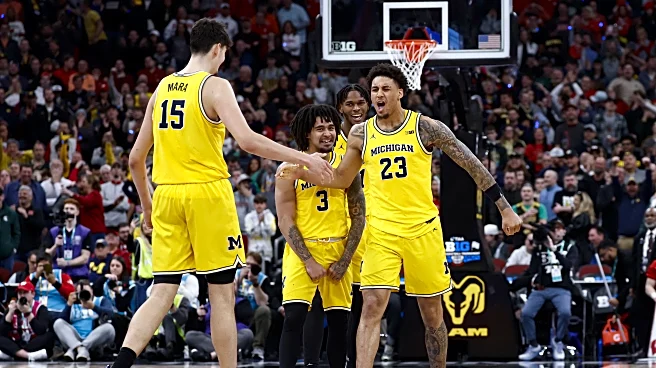
The 2026 NCAA Tournament is set to begin, and it arrives at a time of significant change for college basketball. The tournament, known for its thrilling upsets and Cinderella stories, faces questions about whether these elements will continue to define
it. Recent years have seen a decline in lower-seeded teams advancing far, with only one double-digit seed making it past the first weekend in the last two tournaments. This shift is attributed to the influence of Name, Image, and Likeness (NIL) deals and the transfer portal, which have seemingly strengthened top programs. Despite this, there are still hopes for upsets, with teams like Akron, Troy, and California Baptist being highlighted as potential giant-killers in the first round.
Why It's Important?
The potential decline of upsets in the NCAA Tournament could signal a shift in the competitive balance of college basketball. The introduction of NIL and the transfer portal has allowed top programs to attract and retain talent more effectively, potentially reducing the chances for smaller schools to compete at the highest levels. This could impact the tournament's appeal, which has traditionally been driven by the unpredictability and excitement of underdog victories. If the trend continues, it may lead to a more predictable and less engaging tournament, affecting fan interest and viewership.
What's Next?
As the tournament progresses, the performance of lower-seeded teams will be closely watched to see if they can defy the odds and challenge the dominance of top programs. The outcomes could influence future discussions on the impact of NIL and the transfer portal on college sports. Additionally, the tournament's results may prompt further analysis of how these changes are affecting the overall landscape of college basketball, potentially leading to adjustments in policies or strategies by schools and governing bodies.