

What's Happening?
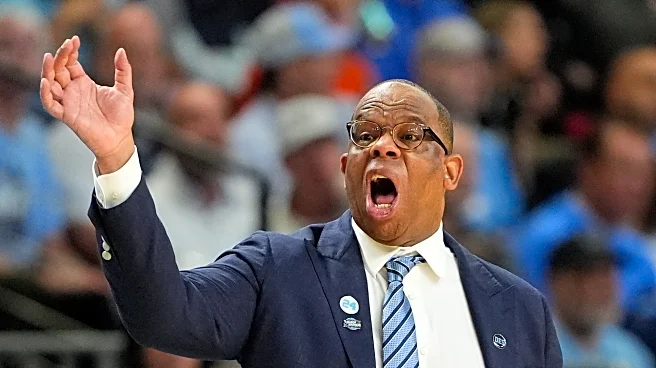
The first round of the 2026 NCAA Tournament saw several dramatic and disappointing moments, particularly for North Carolina. The Tar Heels, a storied college basketball program, suffered a significant setback by blowing a 19-point lead against No. 11
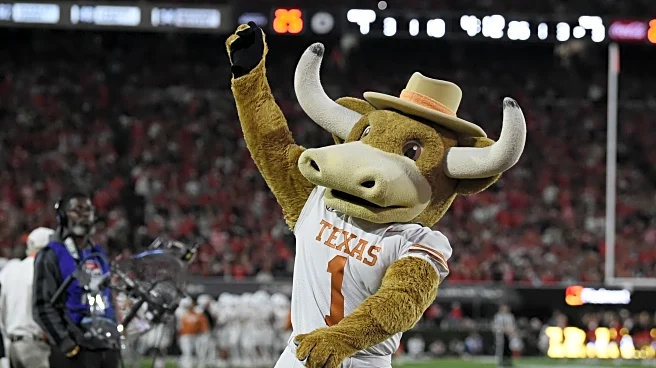
seed VCU, marking one of the largest comebacks in NCAA Tournament history. This loss continues a troubling trend for North Carolina, which has now exited in the first round for two consecutive years. The team was without star freshman Caleb Wilson, a projected top-five pick in the upcoming NBA Draft, but the loss has raised questions about the future of head coach Hubert Davis. Other notable moments included the end of AJ Dybantsa's college career as BYU was upset by Texas, and an injury to Iowa State's Joshua Jefferson, which could impact their tournament run.
Why It's Important?
The outcomes of these games have significant implications for the teams and players involved. North Carolina's early exit could lead to changes in coaching or strategy, as the program grapples with maintaining its prestigious status. The loss of AJ Dybantsa from the tournament is a blow to college basketball fans who were eager to see the freshman phenom in action. His performance had been a highlight for BYU, and his absence will be felt in the tournament. Meanwhile, Iowa State's potential loss of Joshua Jefferson due to injury could hinder their chances of advancing further, affecting their strategy and performance in upcoming games. These developments not only impact the teams' immediate futures but also influence player careers and the broader dynamics of college basketball.
What's Next?
For North Carolina, the focus will likely shift to evaluating the coaching staff and considering potential changes to regain their competitive edge. The team's management may explore hiring a coach from outside the traditional 'family' for the first time. Iowa State will need to monitor Joshua Jefferson's injury closely, as his availability could be crucial for their next matchup against Kentucky. The team will have to adjust their game plan accordingly. As the tournament progresses, other teams will be looking to capitalize on these developments, potentially altering the competitive landscape of the NCAA Tournament.