






What's Happening?
The WNBA is experiencing a significant shift in its salary structure following the implementation of a new collective bargaining agreement. This agreement, celebrated by Commissioner Cathy Engelbert, has led to unprecedented salary increases for players.
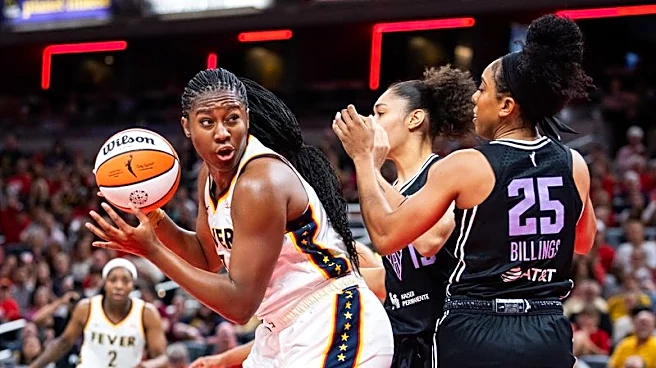
Notably, Indiana Fever's Aliyah Boston and Las Vegas Aces' A'ja Wilson have signed record-breaking contracts. Boston secured a four-year, $6.3 million extension, while Wilson signed a three-year, $5 million deal. These contracts highlight the dramatic changes in player compensation, with the highest-paid player in 2025 earning around $250,000, a figure now dwarfed by the new deals.
Why It's Important?
The new salary structure in the WNBA marks a pivotal moment for the league, potentially influencing its competitiveness and attractiveness to top talent. By offering higher salaries, the WNBA can retain its star players and attract new talent, enhancing the league's overall quality and marketability. This shift could also set a precedent for other women's sports leagues, advocating for better compensation and recognition. The financial empowerment of players like Boston and Wilson underscores a broader movement towards gender pay equity in sports.
What's Next?
As the WNBA continues to implement its new salary framework, other players are likely to negotiate similarly lucrative contracts, further elevating the league's profile. The impact of these changes will be closely monitored by stakeholders in women's sports, potentially influencing future collective bargaining agreements. Additionally, the league may see increased interest from sponsors and media, drawn by the enhanced visibility and competitiveness of the WNBA.
Beyond the Headlines
The WNBA's salary evolution could have cultural implications, challenging traditional perceptions of women's sports and their economic value. This development may inspire young athletes and contribute to a shift in societal attitudes towards gender equality in professional sports. The league's commitment to equitable pay could also influence corporate policies beyond sports, promoting broader discussions on gender pay gaps.