
What's Happening?
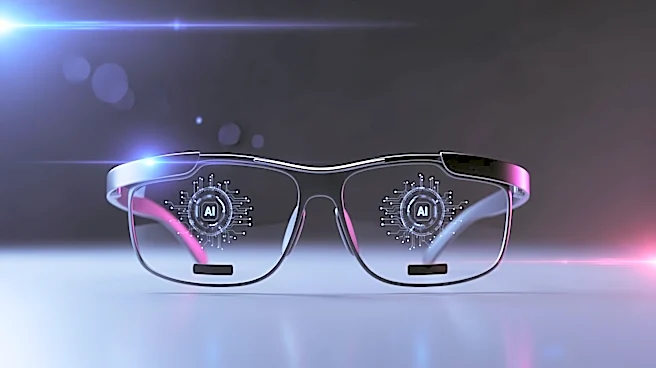
Major tech companies are advancing their augmented reality (AR) initiatives, with Apple reportedly testing four different smart glasses designs for a 2027 launch. The focus is on style and everyday use
rather than immersive displays. Snap has partnered with Qualcomm to develop its 'Specs' consumer AR glasses, set for a 2026 debut, emphasizing lightweight and powerful AR experiences. Warby Parker and Google are also planning AI-powered smart glasses aimed at consumer-friendly price points. These developments come amid industry shifts influenced by supply chain dynamics, including component shortages and price volatility, which are expected to significantly impact the AR market's evolution.
Why It's Important?
The advancements in AR technology by companies like Apple, Snap, and Google signal a potential shift in consumer electronics, where AR glasses could become mainstream. This could impact various sectors, including retail, entertainment, and communication, by offering new ways to interact with digital content. The focus on style and affordability suggests a move towards making AR technology accessible to a broader audience, potentially driving innovation and competition in the tech industry. Companies that successfully balance design, supply, and pricing may capture early adopters and set new standards in wearable technology.
What's Next?
As companies prepare for the launch of their AR glasses, the next steps involve overcoming supply chain challenges and finalizing product designs. Stakeholders, including tech developers and retailers, will need to adapt to the evolving market demands and consumer preferences. The industry may see increased collaboration between tech companies and fashion brands to enhance the appeal of AR glasses. Additionally, regulatory considerations regarding privacy and data security in AR applications could shape future developments.
Beyond the Headlines
The introduction of AR glasses raises ethical and cultural questions about privacy and the impact of augmented reality on daily life. As these devices become more integrated into personal and professional settings, concerns about data collection and user consent may become more prominent. The long-term implications could include shifts in how people interact with technology and each other, potentially redefining social norms and communication practices.