




What's Happening?
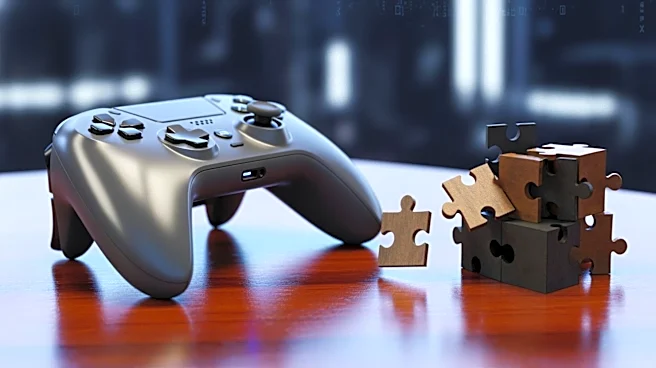
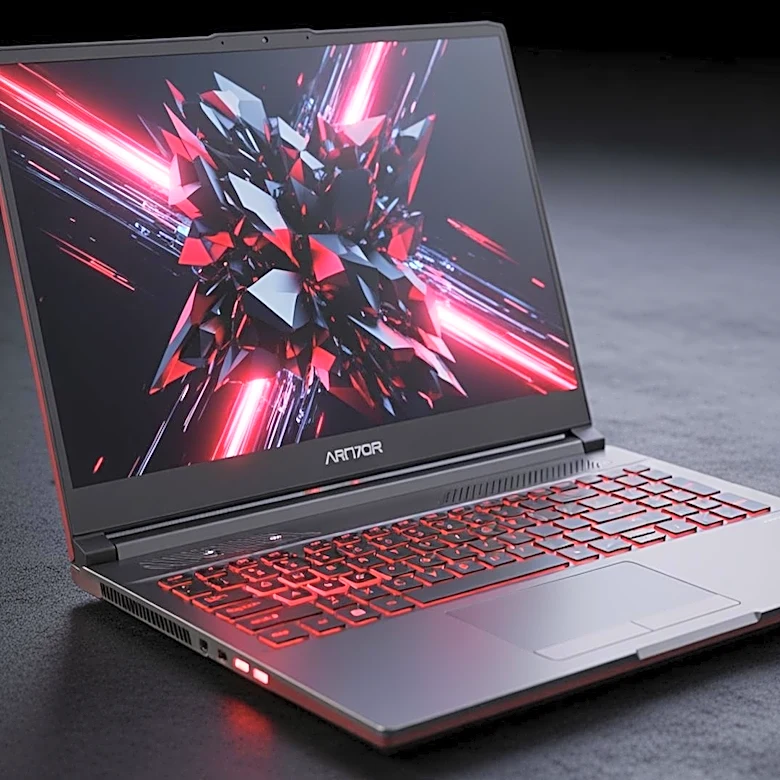
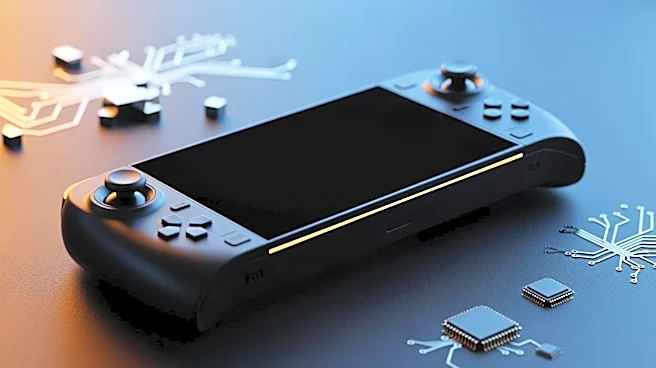
The gaming industry is experiencing a significant shift as the importance of individual gaming devices diminishes in favor of access and flexibility. Players are increasingly using a variety of devices, such as consoles, PCs, handhelds, and mobile phones,
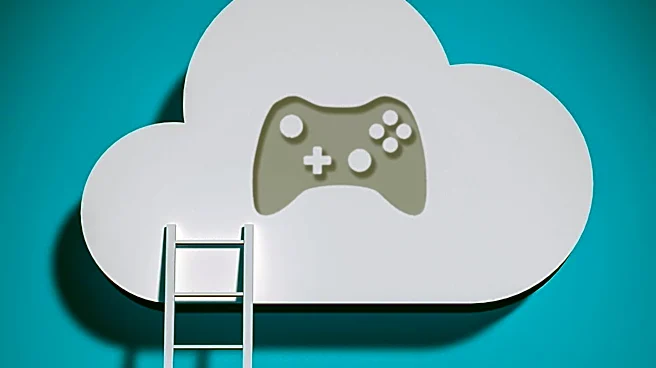
to engage with games, leading to a more integrated gaming experience. This change is driven by advancements in cloud gaming, remote play, and subscription libraries, which allow players to access their games across multiple platforms seamlessly. The traditional platform-specific gaming culture, where players identified as PlayStation, Xbox, or Nintendo fans, is becoming less pronounced as cross-play and cross-progression features become more prevalent. These features enable players to enjoy games with friends across different platforms and carry their progress and achievements with them, regardless of the device they use.
Why It's Important?
This evolution in gaming platforms reflects broader trends in digital entertainment, where convenience and accessibility are becoming key competitive factors. As players prioritize seamless experiences over hardware exclusivity, gaming companies are focusing on building robust ecosystems that offer flexibility and continuity. This shift has implications for the gaming industry, as companies may need to invest more in cloud infrastructure and cross-platform capabilities to meet consumer expectations. Additionally, the emphasis on access over hardware could influence the development and marketing strategies of gaming companies, potentially leading to more collaborative efforts across platforms. For consumers, this trend offers greater choice and convenience, allowing them to enjoy a diverse range of gaming experiences without being tied to a specific device.
What's Next?
As the gaming industry continues to adapt to these changes, companies are likely to enhance their cross-platform services and expand their ecosystems to attract and retain players. This could involve developing more cloud-based gaming solutions, improving cross-play and cross-progression features, and offering more flexible subscription models. The competition among gaming platforms may increasingly focus on the quality and breadth of their service offerings rather than hardware specifications. Additionally, as mobile and browser-based gaming become more integrated into the broader gaming ecosystem, developers may explore new ways to engage players across different devices, potentially leading to innovative gaming experiences that leverage the strengths of each platform.
Beyond the Headlines
The shift towards access and flexibility in gaming platforms may also have cultural implications, as it challenges traditional notions of gaming identity and community. As players move away from platform-specific allegiances, gaming communities may become more inclusive and diverse, fostering a more collaborative and interconnected gaming culture. This could lead to new forms of social interaction and community building within the gaming world. Furthermore, the emphasis on seamless access and cross-platform play may encourage developers to create more inclusive and accessible games, catering to a wider audience and promoting diversity in gaming content.