







What's Happening?
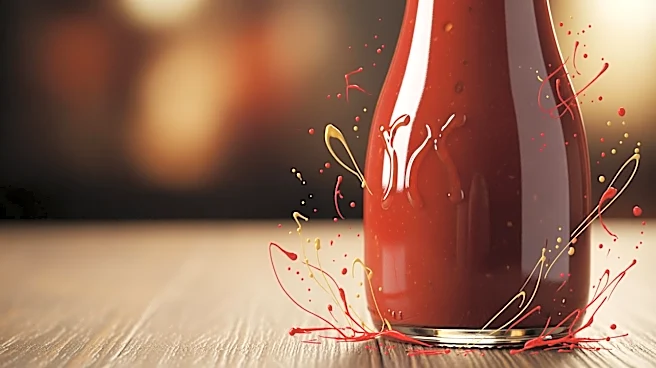
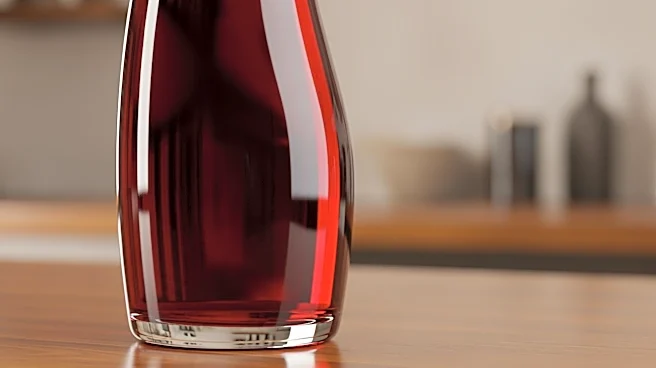
Heinz is celebrating its 157th anniversary by reintroducing its iconic glass ketchup bottle, a nostalgic move that forms part of its '157 Years of Being Food's Best Friend' campaign. The limited-edition glass bottles, available at Walmart, are a nod to
the brand's heritage and are supported by a cinematic advertisement titled 'Life of a Bottle,' which showcases the journey of a Heinz bottle in a diner setting. The campaign aims to evoke nostalgia and highlight the brand's enduring legacy. The glass bottle, which was replaced by a more practical squeezable plastic version in the early 1990s, remains a cultural icon, often associated with the '57 trick'—a method of tapping the bottle to release ketchup.
Why It's Important?
The reintroduction of the glass bottle is a strategic move by Heinz to strengthen its brand identity and connect with consumers on an emotional level. By leveraging nostalgia, Heinz aims to reinforce its position as a beloved household name and differentiate itself in a competitive market. This campaign could boost brand loyalty and attract both long-time fans and new customers who appreciate the brand's history. Additionally, the campaign's timing coincides with Kraft Heinz's recent financial performance improvements, suggesting a broader strategy to revitalize the brand and increase market share. The glass bottle's return also highlights the importance of heritage marketing in maintaining brand relevance and consumer engagement.
What's Next?
Heinz may continue to explore heritage-themed marketing strategies to capitalize on consumer nostalgia and strengthen its brand presence. The success of the glass bottle campaign could lead to similar initiatives, potentially involving other iconic products or packaging. As the campaign unfolds, Heinz will likely monitor consumer response and sales performance to assess the impact of nostalgia-driven marketing on its overall brand strategy. The company may also consider expanding the availability of the glass bottle beyond Walmart if demand proves strong, further solidifying its cultural significance.