

What's Happening?
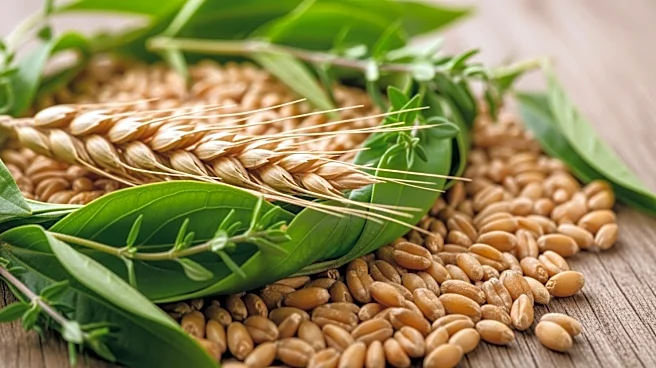
The baking industry is increasingly focusing on sustainability and resource efficiency by upcycling by-products from cereal milling and food processing into functional ingredients. These by-products, such as bran, germ, and fiber-rich residues, are rich in non-starch
polysaccharides, proteins, and bioactive compounds. They offer nutritional and technological benefits when integrated into bakery systems. Wheat bran, a common by-product, contains arabinoxylans that influence dough rheology and product quality. Studies show that arabinoxylans can affect water absorption, viscosity, and gluten network development. Other upcycled materials, like brewers' spent grain, enhance nutritional value and modify dough properties. Fruit and vegetable by-products also contribute to antioxidant capacity and dough structure.
Why It's Important?
Upcycling by-products into functional ingredients represents a significant shift towards sustainability in the baking industry. This approach not only reduces waste but also enhances the nutritional profile of bakery products. By leveraging these materials, bakers can create products that meet consumer demand for healthier and more sustainable options. The integration of upcycled ingredients can lead to improved product quality and innovation, providing a competitive advantage in the market. As consumers become more environmentally conscious, the ability to offer sustainable products can drive brand loyalty and market growth. This trend also aligns with broader industry efforts to reduce environmental impact and promote resource efficiency.
Beyond the Headlines
The move towards upcycling in the baking industry has ethical and cultural implications. It reflects a growing awareness of the need to reduce food waste and promote sustainable practices. This shift may encourage other sectors to explore similar strategies, fostering a culture of innovation and sustainability across the food industry. Additionally, the use of upcycled ingredients can support local economies by creating new markets for by-products that were previously considered waste. As the industry continues to evolve, collaboration between producers, scientists, and food processors will be crucial in optimizing the potential of upcycled ingredients and driving long-term change.