






What's Happening?
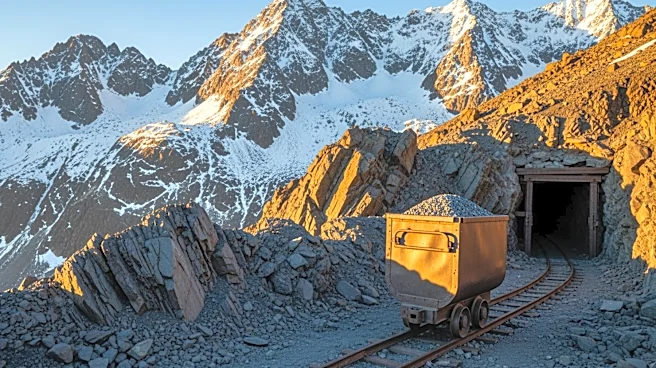
Trilogy Metals, listed on TSX and NYSE American, is advancing its Upper Kobuk Mineral Projects in Alaska through its joint venture with South32, known as Ambler Metals. The company has reported significant progress in the first quarter of 2026, with the U.S.
federal government showing strong support for domestic critical minerals production. The U.S. Department of Interior has opened 2.1 million acres to mineral entry, including lands along the Ambler Access Project corridor, reducing uncertainty over land status. Additionally, the White House is considering participating in the Ambler Road Project financing, potentially as an equity partner. This project involves a 211-mile private industrial road connecting the Dalton Highway to the Ambler Mining District. Trilogy's field program for the year is fully funded, with a $35.6 million work program planned, including geotechnical drilling and reopening the Bornite camp for exploration.
Why It's Important?
The development of the Upper Kobuk Mineral Projects is crucial for the U.S. as it seeks to bolster its domestic critical minerals supply chain. The federal government's involvement underscores the strategic importance of these resources, which are vital for various industries, including technology and defense. The project could significantly contribute to Alaska's economy, where the metals mining sector already accounts for 3-4% of the state's GDP. By advancing these projects, Trilogy Metals and its partners are positioned to meet growing demand for critical minerals, potentially reducing U.S. reliance on foreign sources and enhancing national security.
What's Next?
Trilogy Metals is set to continue its development activities with the support of federal permits and funding. The company's focus will be on executing its $35.6 million work program, which includes drilling and exploration activities. The potential involvement of the White House in project financing could further solidify federal support and attract additional investment. Stakeholders, including local communities and environmental groups, may closely monitor the project's progress and its environmental impact.