

What's Happening?
European teams, including the French national team, have expressed dissatisfaction with FIFA regarding the travel arrangements for the 2026 World Cup. The French team is particularly concerned about the demanding itinerary that takes them through the northeastern
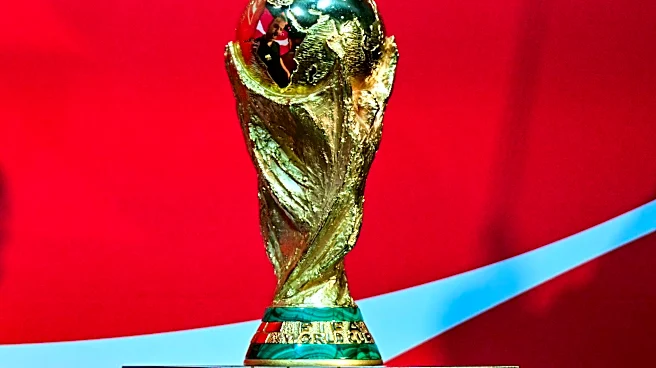
United States, covering locations such as Foxborough, the Meadowlands, and Philadelphia. Additionally, there is criticism over Italy's failure to qualify for the tournament, while debutant teams like Curacao and Uzbekistan have secured spots. The 2026 World Cup is set to be the largest ever, featuring a 48-team format, which some argue is cumbersome and adds strain to the already crowded sports calendar. Concerns have also been raised about the exorbitant ticket prices and the decision to host the final in the Meadowlands during late July, which could be problematic due to high temperatures.
Why It's Important?
The criticism from European teams highlights ongoing tensions between FIFA and participating nations regarding tournament logistics and fairness. The expanded format and increased ticket prices could impact fan engagement and accessibility, potentially affecting the tournament's success. The logistical challenges faced by teams may influence their performance, and the dissatisfaction could lead to broader discussions about FIFA's decision-making processes. The inclusion of new teams like Curacao and Uzbekistan reflects a shift towards greater global representation, which could alter the competitive landscape of international soccer. The concerns raised by European teams may prompt FIFA to reconsider its approach to organizing future tournaments, balancing the need for inclusivity with logistical feasibility.
What's Next?
As the 2026 World Cup approaches, FIFA may face increased pressure to address the concerns raised by European teams and other stakeholders. Potential adjustments to travel arrangements and scheduling could be considered to alleviate logistical burdens. The criticism may also lead to discussions about the future structure of the World Cup, including the number of participating teams and the format of the tournament. Stakeholders, including national soccer federations and fan groups, may advocate for changes to ensure a more equitable and manageable event. The outcome of these discussions could influence the planning and execution of future international soccer tournaments.
Beyond the Headlines
The dissatisfaction expressed by European teams underscores broader issues within FIFA's governance and decision-making processes. The organization's ability to balance global representation with logistical feasibility is crucial for maintaining the integrity and appeal of the World Cup. The criticism may also reflect deeper cultural and historical tensions between European soccer powers and FIFA, dating back to previous tournaments. Addressing these concerns could lead to reforms within FIFA, promoting greater transparency and collaboration with participating nations. The evolving dynamics of international soccer may also influence the sport's global popularity and commercial success.