
What's Happening?
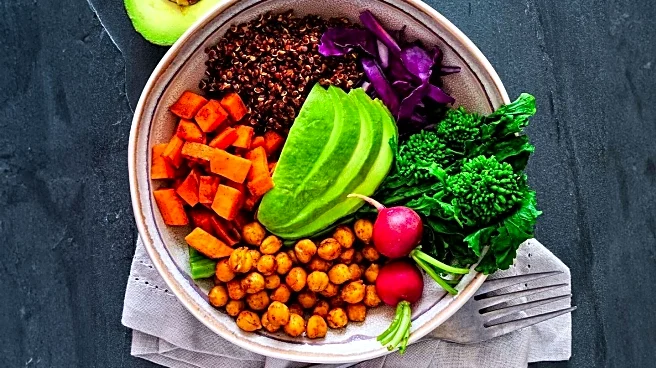
A Milan-based health coach, Hanako Verne, has highlighted the benefits of incorporating plant-based foods into diets to promote healthy aging. According to Verne, foods such as nuts, dark leafy greens,
berries, and cruciferous vegetables are rich in antioxidants and essential nutrients that support skin health, hormone balance, and reduce inflammation. Verne emphasizes the importance of plant-based proteins like beans and soy, which can substitute animal proteins that are linked to increased inflammation and oxidative stress. Additionally, probiotics found in fermented foods like natto and kimchi are noted for their positive effects on the immune system and mood. Verne also suggests reducing dairy intake due to its high animal hormone content and recommends potassium-rich foods to combat swelling.
Why It's Important?
The emphasis on plant-based diets aligns with growing trends in health and wellness that prioritize sustainable and natural food sources. By focusing on plant-based nutrition, individuals can potentially reduce the risk of chronic diseases associated with aging, such as cardiovascular issues and diabetes. This dietary approach also supports environmental sustainability by reducing reliance on animal agriculture, which is a significant contributor to greenhouse gas emissions. The advice provided by Verne could influence dietary habits, encouraging more people to adopt plant-based diets for both personal health benefits and environmental considerations.
What's Next?
As awareness of the benefits of plant-based diets continues to grow, it is likely that more individuals will seek to incorporate these foods into their daily meals. This could lead to increased demand for plant-based products and innovations in food technology to create more accessible and appealing options. Health professionals and nutritionists may also increasingly advocate for plant-based diets as part of preventive health strategies. Additionally, there may be a rise in educational initiatives aimed at informing the public about the nutritional benefits and environmental impact of plant-based eating.
Beyond the Headlines
The shift towards plant-based diets also raises questions about food equity and access. Ensuring that all communities have access to fresh, affordable plant-based foods is crucial for widespread adoption. There may also be cultural considerations, as dietary habits are deeply rooted in tradition and personal preference. Efforts to promote plant-based eating must be sensitive to these factors, offering culturally relevant and accessible options. Furthermore, the food industry may face challenges in meeting the increased demand for plant-based products, necessitating advancements in agricultural practices and supply chain logistics.