





What's Happening?
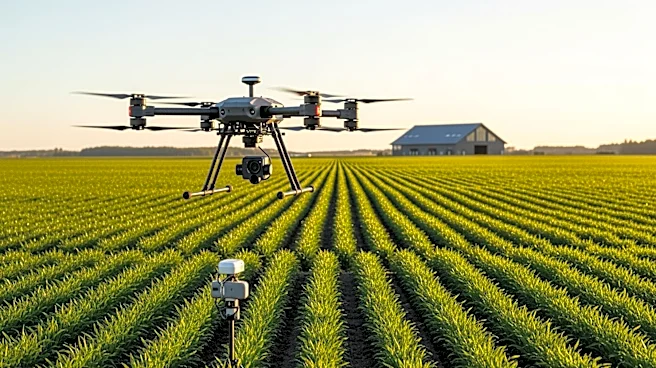
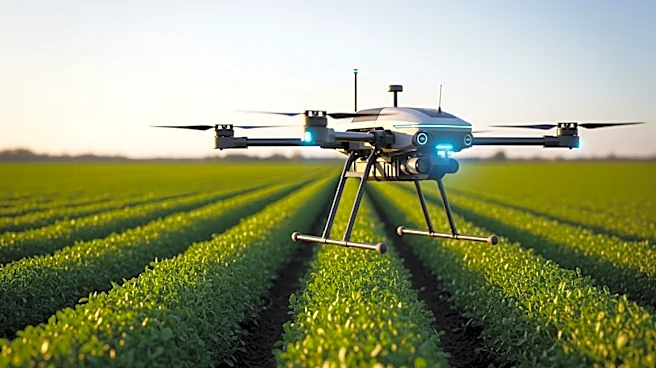
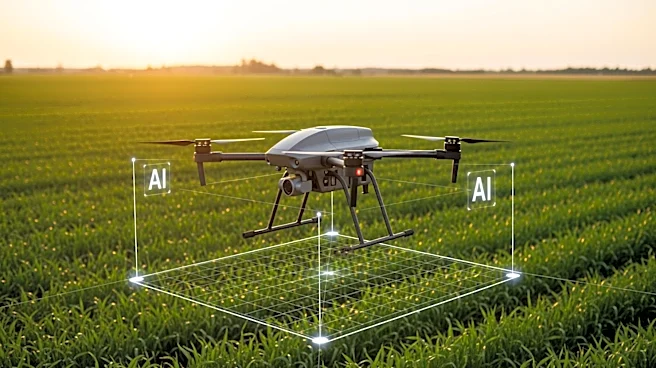
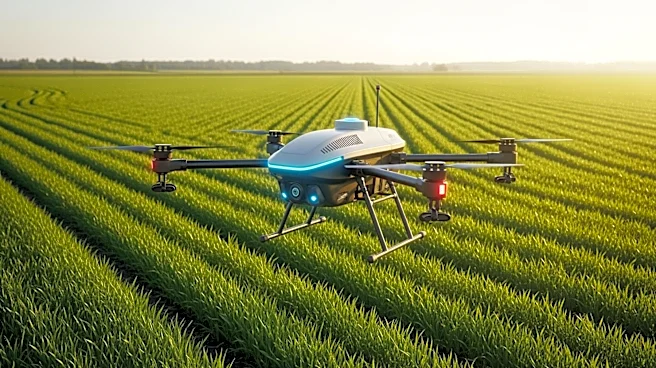
DroneDash Technologies and GEODNET have announced the formation of GEODASH Aerosystems, a joint venture aimed at revolutionizing agricultural spraying with AI-driven drones. These drones are designed to enhance large-scale farming operations by eliminating
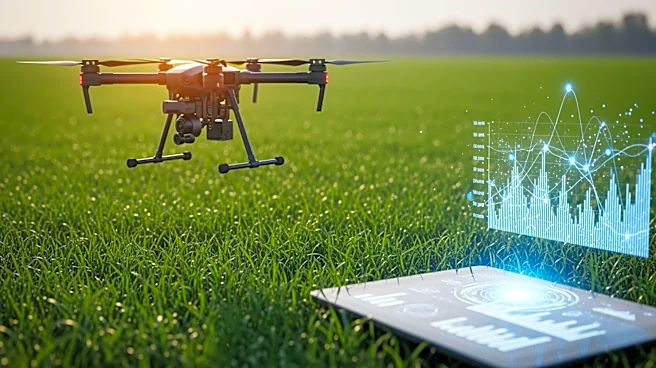
the need for manual pre-mapping, a common requirement in conventional agricultural drones. The new drones utilize real-time AI Vision and RTK positioning to dynamically adapt during flights, offering faster deployment and reduced operating costs. This innovation is particularly significant for large-scale operations such as oil palm plantations and row-crop environments, where traditional mapping processes can be time-consuming and limit responsiveness to crop conditions. The drones also serve as continuous data-collection tools, providing valuable agronomic intelligence such as canopy density analysis, crop stress detection, and terrain profiling.
Why It's Important?
The introduction of AI-driven precision spraying drones by GEODASH Aerosystems could significantly impact the U.S. agriculture sector by improving efficiency and reducing costs. By automating the mapping and spraying processes, these drones allow for quicker responses to changing crop conditions, potentially increasing yield and reducing waste. This technology supports sustainable farming practices by optimizing resource use and minimizing environmental impact. The drones' ability to collect and analyze data in real-time provides farmers with actionable insights, enhancing decision-making and operational planning. As the agriculture industry faces challenges such as labor shortages and climate change, innovations like these could play a crucial role in maintaining productivity and sustainability.
What's Next?
GEODASH Aerosystems plans to target industrial agriculture markets in the U.S., focusing on crops like sugarcane, soybean, and corn. The company has conducted pilot deployments and system validations, with commercial deployment expected by Q3 2026. As the drones undergo manufacturing readiness and regulatory approvals, stakeholders in the agriculture industry will likely monitor their performance and impact closely. The success of these drones could lead to broader adoption of AI and drone technologies in agriculture, prompting further innovations and investments in smart farming solutions.