
What's Happening?
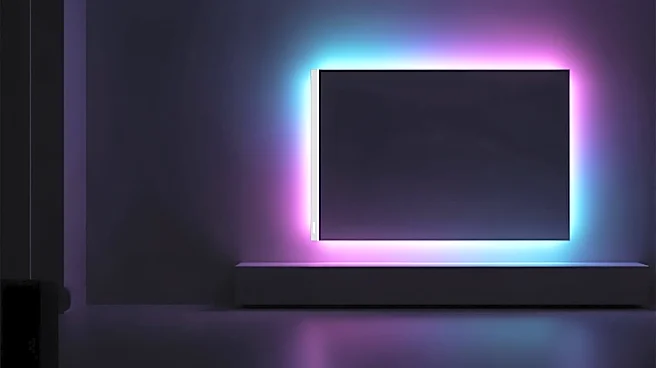
Lepro has introduced the STV1 TV backlight system, a new camera-based ambient lighting setup designed to enhance the immersive experience for movies, gaming, sports, and music. Unlike traditional LED strips,
the STV1 uses a camera-driven sync system to project on-screen colors into the room, creating a more engaging environment. The system features LightIMS Instant Sync technology, which reacts 36% faster than similar products, ensuring that the lighting keeps pace with rapid visual changes. Additionally, Lepro's LightGPM 4 AI Lighting Designer allows users to customize lighting scenes using text, voice, or image prompts. The STV1 also boasts a simplified hardware design, combining the camera and controller into a single unit to reduce cable clutter. It includes automatic blank-screen detection to conserve power by shutting off the lights when the television is off. The STV1 is available in two sizes, priced at $89.99 for the 55-65 inch model and $109.99 for the 75-85 inch version.
Why It's Important?
The launch of the STV1 TV backlight by Lepro represents a significant advancement in home entertainment technology, offering consumers a more immersive viewing experience. By integrating faster response times and AI-driven customization, the STV1 enhances the way users interact with their media, potentially setting a new standard for ambient lighting systems. This development could influence the market for home entertainment products, encouraging other companies to innovate and improve their offerings. The STV1's ability to seamlessly integrate with existing home setups and its energy-saving features may appeal to environmentally conscious consumers and those seeking to reduce energy costs. As the demand for smart home technology continues to grow, products like the STV1 could play a crucial role in shaping the future of home entertainment.
What's Next?
As Lepro's STV1 TV backlight enters the market, it is likely to attract attention from both consumers and competitors. The product's innovative features and competitive pricing may prompt other companies to develop similar technologies or enhance their existing products to maintain market share. Consumer feedback will be crucial in determining the success of the STV1, potentially leading to further refinements or new product iterations. Additionally, as smart home technology becomes more prevalent, there may be increased interest in integrating such systems with other smart devices, creating a more cohesive and automated home environment. The success of the STV1 could also inspire further advancements in AI-driven customization and energy-efficient technologies in the home entertainment sector.