





What's Happening?
A recent analysis highlights the growing cybersecurity risks associated with high-resolution selfies posted on social media platforms. According to Bryan Lopez, a cybersecurity and AI technology leader at Microsoft, the advanced cameras in modern smartphones
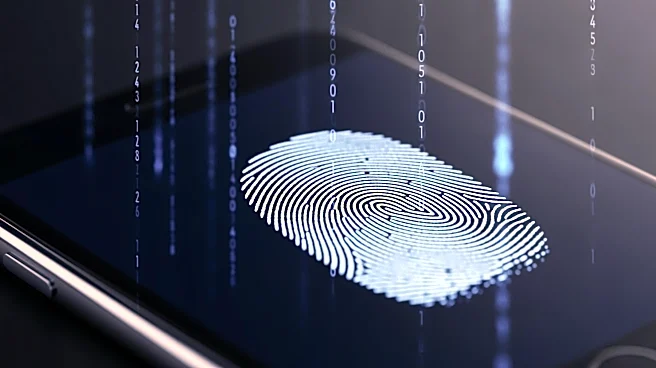
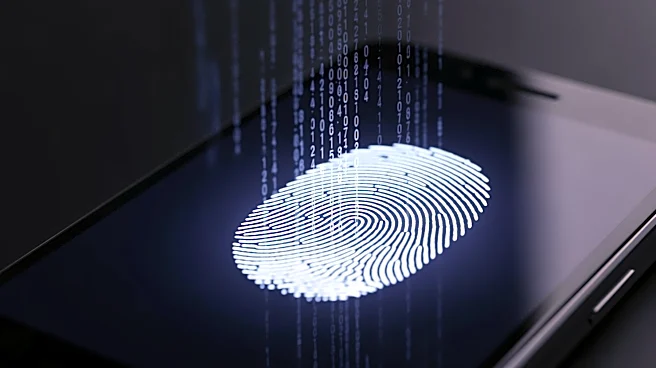
can capture detailed biometric data, such as fingerprint patterns, which can be exploited by malicious actors. This risk is exacerbated by AI-assisted reconstruction tools that can create biometric templates from these images. The threat extends beyond fingerprints, as AI can also synthesize realistic voice replicas from short audio clips found in online content. These developments pose significant risks for identity fraud and social engineering attacks.
Why It's Important?
The implications of this development are significant for both individuals and organizations. As biometric data cannot be changed like passwords, once compromised, the exposure is permanent. This makes the protection of such data crucial. The rise of AI-enhanced tools lowers the barrier for cybercriminals, increasing the potential for identity theft and fraud. The FBI reported over 859,000 cybercrime complaints in 2024, with losses exceeding $16 billion, highlighting the urgency of addressing these vulnerabilities. The need for robust privacy practices and multi-factor authentication is more critical than ever to safeguard personal and organizational data.
What's Next?
To mitigate these risks, experts recommend enhancing privacy settings on social media, avoiding high-resolution close-ups, and using passkey-based authentication that combines biometrics with cryptographic credentials. As technology continues to advance, maintaining behavioral awareness and privacy hygiene will be essential in reducing exposure to these threats. Organizations and individuals must adapt to the evolving cybersecurity landscape to protect against potential breaches.