






What's Happening?
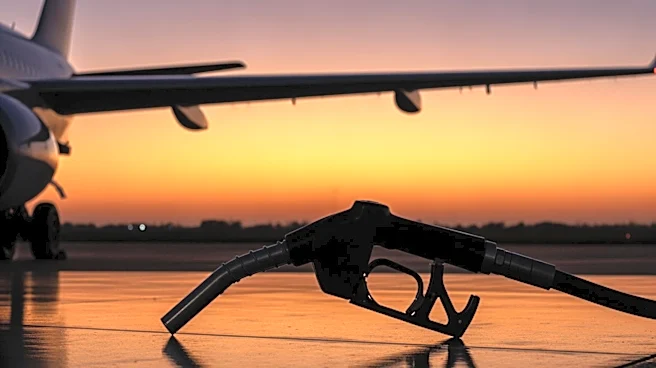
Turkish Airlines is focusing on its long-term growth strategy despite facing immediate challenges such as high fuel costs and disruptions due to the Middle East conflict. The airline, under the leadership of newly appointed chair Murat Seker, aims to expand
its fleet to over 800 aircraft by 2033 and achieve $50 billion in revenue. The airline has adjusted its second-quarter growth expectations due to these challenges, now projecting flat or slightly increased capacity and passenger numbers. Despite these hurdles, Turkish Airlines continues to see improvements in cargo and passenger yields, which are expected to drive revenue growth.
Why It's Important?
The strategic focus of Turkish Airlines on long-term growth despite current challenges highlights the resilience and adaptability of the aviation industry. The airline's ability to adjust its operations and maintain growth targets is crucial for its competitive positioning in the global market. The impact of high fuel costs and geopolitical tensions on the airline's operations underscores the broader challenges faced by the aviation sector. The airline's strategic adjustments could influence other carriers facing similar challenges, potentially affecting global air travel dynamics and economic activities linked to the aviation industry.
What's Next?
Turkish Airlines plans to continue its strategic growth by optimizing routes and managing costs to mitigate the impact of high fuel prices. The airline is also shifting capacity to regions with stronger demand, such as the Far East, South and Central Asia, and Africa. As the airline navigates these challenges, it will likely continue to adjust its strategies to align with market conditions and geopolitical developments. The airline's performance in the coming quarters will be closely watched by investors and industry stakeholders as an indicator of its resilience and strategic execution.