


What's Happening?
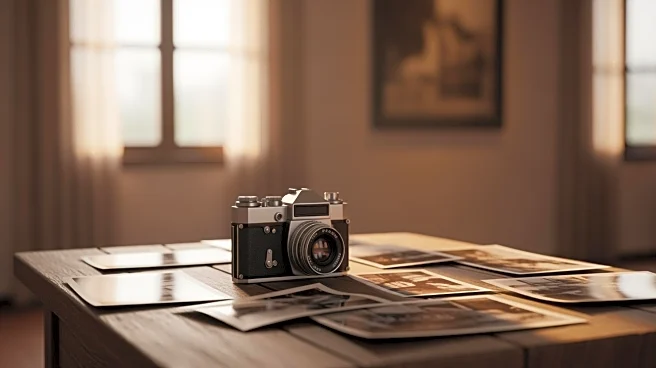
Two prominent Chicago-area museums are showcasing photography exhibits that delve into cultural memory and historical narratives. The Block Museum of Art at Northwestern University is presenting 'Des Marabouts de Djenné,' featuring the work of Malian artist Hamdia Traoré. This exhibit marks Traoré's first solo exhibition in the United States and includes 30 portraits of marabouts, Islamic scholars from Djenné, Mali. These portraits, taken between 2017 and 2020, aim to document the expertise and individuality of these religious leaders. Concurrently, the Museum of Contemporary Photography at Columbia College Chicago is celebrating its 50th anniversary with 'MoCP at Fifty: Collecting Through the Decades.' This exhibition revisits the museum's
history and showcases its evolving approach to photography, featuring over 18,000 pieces collected over five decades. The exhibits at both museums offer a unique perspective on cultural and historical narratives through the lens of photography.
Why It's Important?
These exhibitions are significant as they provide a platform for diverse cultural narratives and historical documentation through photography. The Block Museum's focus on Islamic scholars from Mali offers American audiences insight into a different cultural and religious context, fostering cross-cultural understanding. Meanwhile, the Museum of Contemporary Photography's retrospective highlights the evolution of photographic art and its role in documenting societal changes. By addressing past demographic gaps in their collections, these institutions are also acknowledging and rectifying historical oversights, promoting inclusivity and representation in the arts. This approach not only enriches the cultural landscape but also encourages dialogue about diversity and representation in art institutions.
What's Next?
Both exhibitions are set to run through mid-2026, providing ample opportunity for public engagement and educational programming. The Block Museum's exhibit will continue to offer insights into the lives of Islamic scholars, while the Museum of Contemporary Photography will likely continue to explore its collection's historical and cultural significance. These exhibitions may inspire other institutions to examine their collections and address representation gaps, potentially leading to broader changes in how art is curated and presented. Additionally, the focus on cultural memory and historical narratives may influence future exhibitions and collaborations between museums and artists.