
What's Happening?
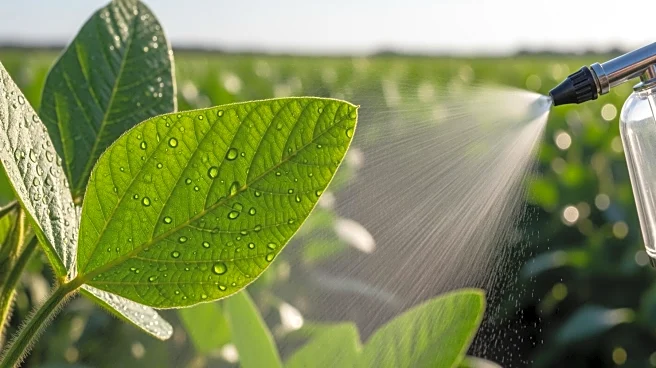
The global market for bio-pesticides is projected to grow significantly, driven by stricter regulations on synthetic pesticides and increasing consumer demand for organic food. Bio-pesticides, derived
from natural sources like microbes and plants, are gaining popularity due to their lower environmental impact and safety for humans and beneficial organisms. Despite challenges such as shorter shelf life and higher costs, bio-pesticides are becoming essential in sustainable agriculture. The shift towards bio-pesticides aligns with global trends in agroecology and sustainable development goals, offering an alternative to traditional chemical pesticides.
Why It's Important?
The growing adoption of bio-pesticides reflects a significant shift in agricultural practices towards sustainability and environmental responsibility. This trend is important for reducing the ecological footprint of farming and protecting public health from the adverse effects of synthetic pesticides. The increased use of bio-pesticides supports the production of residue-free crops, meeting consumer demand for safer food options and aligning with international food safety standards. This shift also presents economic opportunities for innovation in the agricultural sector, encouraging the development of new bio-pesticide products and technologies.
What's Next?
As the market for bio-pesticides expands, further research and development are expected to address current limitations, such as improving shelf life and efficacy. Regulatory frameworks may evolve to support the adoption of bio-pesticides, potentially leading to increased investment and innovation in this field. Farmers and agricultural businesses may need to adapt to new practices and technologies, integrating bio-pesticides into integrated pest management systems. The continued growth of the bio-pesticide market could influence global agricultural policies and contribute to the broader goal of sustainable food production.