





What's Happening?
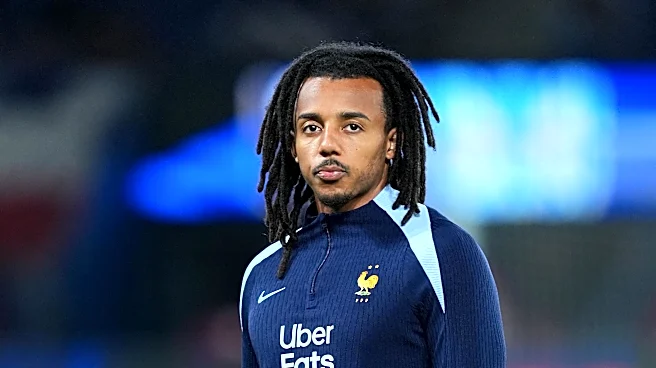
France has announced its 26-man squad for the FIFA 2026 World Cup, with Didier Deschamps at the helm as he aims to conclude his managerial career on a high note. The squad selection has sparked discussions due to the omission of notable players like Eduardo
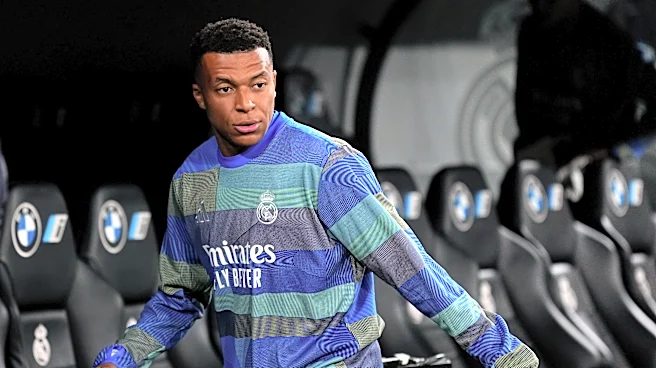
Camavinga and Randal Kolo Muani, both of whom were part of the 2022 squad. Deschamps emphasized the need for balance and experience, opting for a mix of seasoned players and newcomers. Kylian Mbappé, despite recent challenges at Real Madrid, is expected to play a pivotal role. N’Golo Kanté, at 35, remains a crucial figure for his tactical acumen and stability. The squad also includes 13 World Cup first-timers, highlighting a blend of fresh talent and seasoned expertise.
Why It's Important?
The selection underscores France's depth in talent, capable of fielding multiple competitive teams. The strategic omissions reflect Deschamps' focus on form and fitness over past performances, a decision that could influence team dynamics and performance. The inclusion of young talents alongside veterans like Kanté suggests a strategy aimed at balancing youthful energy with experienced leadership. This approach could set a precedent for other national teams in managing squad selections. The World Cup serves as a platform for players like Mbappé to reset and reclaim their status, impacting their club careers and market value.
What's Next?
As the World Cup approaches, the focus will be on how Deschamps integrates the new players into the team and manages the expectations of a nation accustomed to success. The performance of first-time World Cup participants will be closely watched, particularly in high-pressure situations. The tournament will also test the leadership of players like Mbappé and Kanté, whose performances could influence their future roles in the national team. The outcome of France's campaign could impact Deschamps' legacy and the future direction of French football.
Beyond the Headlines
The squad selection raises questions about the balance between experience and potential in international football. The decision to omit certain players despite their past contributions highlights the competitive nature of national team selections. This could lead to discussions about player development and the criteria for national team inclusion. Additionally, the World Cup provides a stage for emerging talents to showcase their skills, potentially influencing club transfers and career trajectories.