


What's Happening?
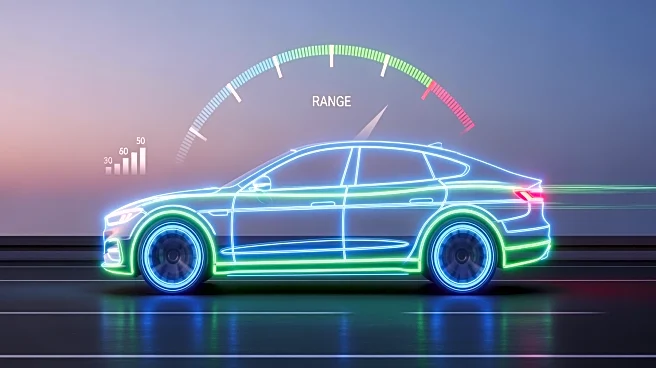
Consumer Reports has conducted a highway-range test revealing that five popular electric vehicles (EVs) exceed their official EPA range estimates. The Hyundai Ioniq 5 N, Mini Countryman SE ALL4, Mercedes-Benz EQE SUV 350 4MATIC, BMW i5 M60, and BMW i4
M50 all demonstrated longer ranges in real-world conditions compared to their EPA ratings. The BMW i4 M50 showed the most significant improvement, surpassing its EPA estimate by 51 miles. Consumer Reports uses a steady 70 mph highway test to measure EV range, differing from the EPA's controlled lab environment tests.
Why It's Important?
The findings from Consumer Reports are significant as they provide consumers with a more realistic understanding of EV performance. Real-world range is a critical factor for potential EV buyers, influencing purchasing decisions and confidence in electric vehicles. As the EV market grows, accurate range assessments can help consumers make informed choices, potentially boosting EV adoption. The report also highlights the importance of independent testing in providing credible information beyond manufacturer claims.
What's Next?
As EV technology continues to evolve, manufacturers may focus on improving real-world range performance to meet consumer expectations. This could lead to advancements in battery technology and energy management systems. Additionally, Consumer Reports' findings may prompt further independent testing and comparisons, encouraging transparency and competition among EV manufacturers.
Beyond the Headlines
The discrepancy between EPA estimates and real-world performance raises questions about the testing methodologies used for EVs. It may lead to discussions on standardizing testing procedures to better reflect actual driving conditions. This could influence regulatory policies and industry standards, ensuring that consumers receive accurate information about vehicle capabilities.