







What's Happening?
The number of Americans filing for unemployment benefits has reached its lowest level in more than 50 years, with jobless aid applications falling to 189,000 for the week ending April 25, according to the Labor Department. This decline comes despite ongoing
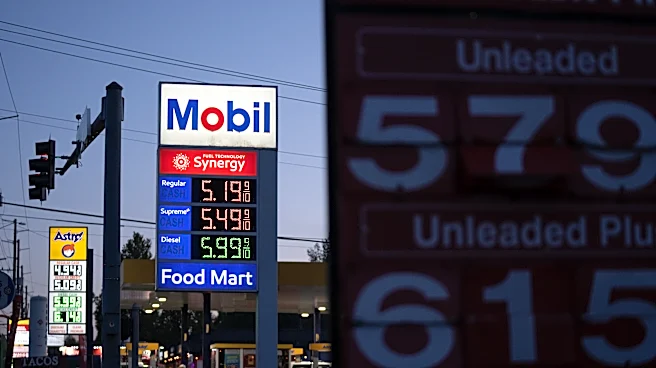
economic challenges, including the war in Iran and elevated energy costs. The U.S. economy has shown signs of resilience, expanding at a 2% annualized pace in the first quarter of 2026, rebounding from a 0.5% growth in the last quarter of 2025. However, inflation remains a concern, with a key inflation measure rising 0.7% in March from February, driven by soaring gas prices. The Federal Reserve has opted to keep interest rates unchanged, balancing the need to support the job market against the risk of fueling inflation.
Why It's Important?
The drop in jobless claims to a historic low suggests a robust labor market, which is a positive indicator for the U.S. economy. However, the ongoing war in Iran and its impact on energy prices continue to pose significant challenges. High inflation rates, exacerbated by the conflict, are increasing the cost of living for Americans and putting pressure on businesses. The Federal Reserve's decision to maintain interest rates reflects the delicate balance policymakers must strike between supporting economic growth and controlling inflation. The situation highlights the interconnectedness of global events and their impact on domestic economic conditions.
What's Next?
As the U.S. navigates these economic challenges, the Federal Reserve will likely continue to monitor inflation and employment data closely. Any significant changes in the labor market or inflation rates could prompt adjustments in monetary policy. Additionally, the ongoing situation in Iran and its potential resolution could have further implications for energy prices and economic stability. Businesses and consumers will need to adapt to these evolving conditions, with potential impacts on spending and investment decisions.