



What's Happening?
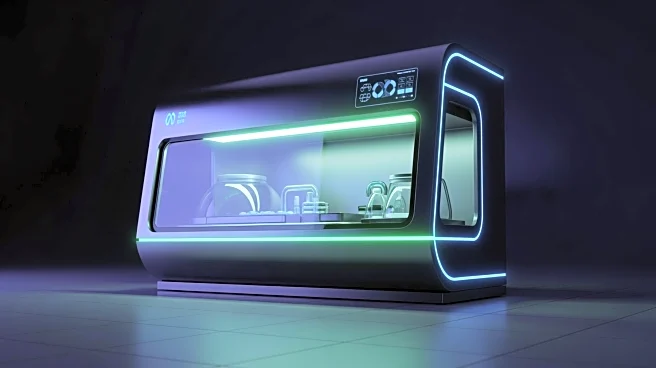
Sartorius, a life science group, has introduced the Eveo Cell Therapy Platform, an integrated system designed to improve the production and quality control of autologous cell therapies. This platform aims to address manufacturing bottlenecks that limit
the scalability and accessibility of treatments like CAR-T therapies. By integrating raw materials, production equipment, software, and quality control assays into a scalable system, Sartorius seeks to expand output, reduce costs per dose, and shorten the time from vein-to-vein for patients. The platform's compact design allows for implementation in existing facilities and supports both centralized and decentralized manufacturing models. Sartorius has collaborated with ElevateBio to test the platform, which demonstrated its applicability in real-world settings. The company plans to begin taking orders for the platform in September 2026, with deliveries expected in 2027.
Why It's Important?
The introduction of the Eveo Cell Therapy Platform by Sartorius is significant as it addresses critical challenges in the cell therapy manufacturing process, which is often complex and costly. By improving efficiency and reducing costs, the platform could make transformative treatments more accessible to a broader range of patients. This development is crucial for the advancement of cell therapies, which have the potential to redefine medical possibilities. The platform's ability to integrate various components of the production process into a single system could lead to significant cost savings and increased production capacity, benefiting both manufacturers and patients. Additionally, the collaboration with ElevateBio and the successful pilot tests highlight the platform's potential to meet industry needs and regulatory standards.
What's Next?
Sartorius plans to start taking orders for the Eveo Cell Therapy Platform in September 2026, with the first deliveries expected in 2027. The company will likely focus on scaling up production and ensuring the platform meets regulatory requirements. As the platform becomes available, it may attract interest from other cell therapy manufacturers looking to improve their production processes. The success of the platform could also encourage further innovation in the field of cell therapy manufacturing, potentially leading to new partnerships and collaborations. Stakeholders, including healthcare providers and patients, will be closely monitoring the platform's impact on treatment accessibility and cost.