





What's Happening?
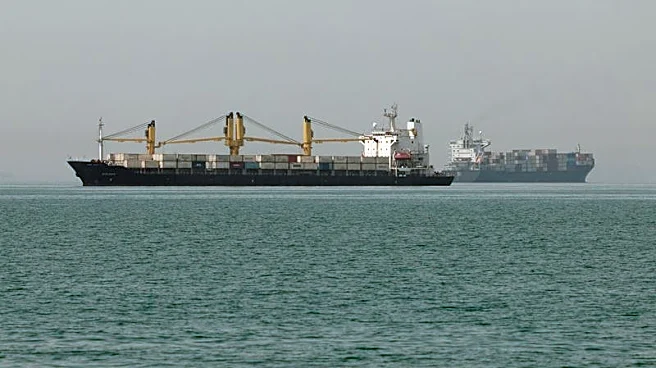
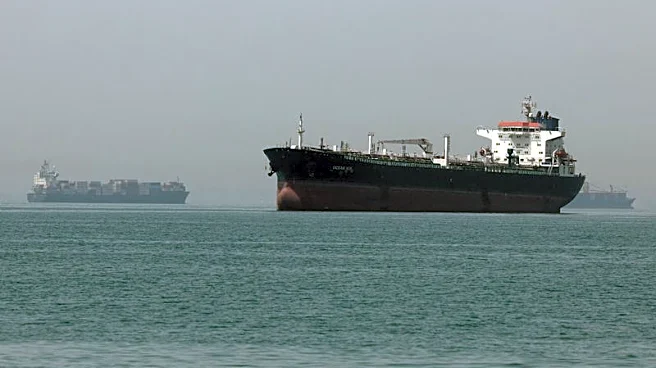
Mortgage rates in the U.S. have reached a nine-month high, driven by rising energy costs due to the ongoing conflict in the Middle East. The average 30-year fixed home loan rate has climbed to 6.51%, influenced by the partial blockade of the Strait of Hormuz,
which has disrupted global oil supplies. This situation has led to increased inflation expectations, causing bond investors to demand higher returns, which in turn raises mortgage rates. The conflict has also resulted in a surge in oil prices, further complicating the economic landscape.
Why It's Important?
The rise in mortgage rates poses a significant challenge for the U.S. housing market, affecting both buyers and sellers. Higher rates increase financing costs, reducing affordability for potential homebuyers and dampening demand. This situation is compounded by inflation, which erodes purchasing power and nullifies recent wage gains. For sellers, the reduced demand means fewer buyers and softer property prices. The housing market's resilience is being tested, and the ongoing conflict adds uncertainty to future market conditions.
What's Next?
If the conflict continues, the dual pressures of rising rates and inflation are expected to intensify. The Federal Reserve may consider adjusting its benchmark rate if inflation expectations persist, potentially keeping mortgage rates elevated. The housing market's trajectory will depend on the resolution of the conflict and stabilization of oil prices. A swift resolution could restore consumer confidence and stabilize the market, but prolonged uncertainty may keep buyers and sellers cautious.