
What's Happening?
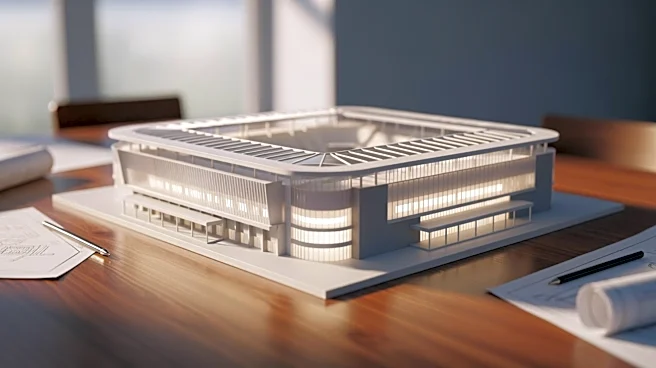
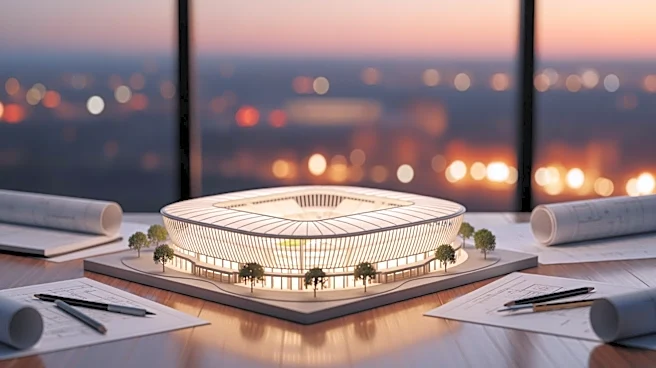
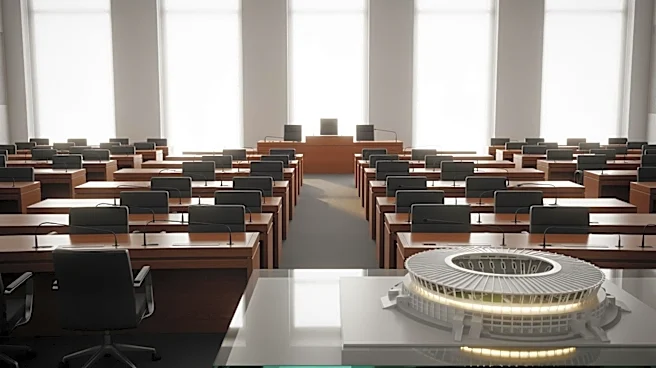
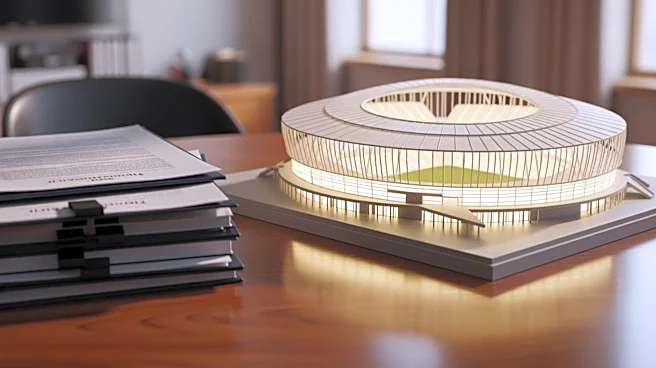
Illinois State Senator Bill Cunningham introduced a new bill late Sunday night aimed at facilitating the construction of a new stadium for the Chicago Bears within the city. This legislative move comes
after a previous property tax incentive proposal failed to advance. The new bill, while not providing a comprehensive solution, suggests a potential pathway for the Bears to establish their new stadium in Chicago. The negotiations over this bill extended deep into the night, indicating the complexity and urgency of the discussions. The introduction of this bill highlights ongoing efforts to keep the Bears in Chicago, amidst concerns that the team might consider relocating if suitable arrangements are not made.
Why It's Important?
The introduction of this bill is significant as it represents a critical step in the ongoing efforts to retain the Chicago Bears within the city. The potential construction of a new stadium could have substantial economic implications, including job creation and increased local revenue from events and tourism. Moreover, keeping the Bears in Chicago is important for maintaining the city's cultural and sports heritage. The failure of the previous tax incentive proposal underscores the challenges faced in balancing fiscal responsibility with the desire to support major sports franchises. The outcome of these negotiations could set a precedent for how cities negotiate with sports teams regarding stadium developments.
What's Next?
As the bill progresses, further negotiations and discussions are expected among state legislators, city officials, and the Chicago Bears organization. Key stakeholders will likely evaluate the financial and logistical feasibility of the proposed stadium plan. Public opinion and community impact assessments may also play a role in shaping the final decision. The outcome of these discussions will determine whether the Bears will proceed with building a new stadium in Chicago or explore alternative locations. The next steps will involve detailed planning and potential amendments to the bill to address any concerns raised during the legislative process.