
What's Happening?
Taylor Swift's strategic promotion of her albums as collectible art pieces has significantly contributed to a resurgence in vinyl record sales, particularly among Gen Z. This demographic, known for valuing
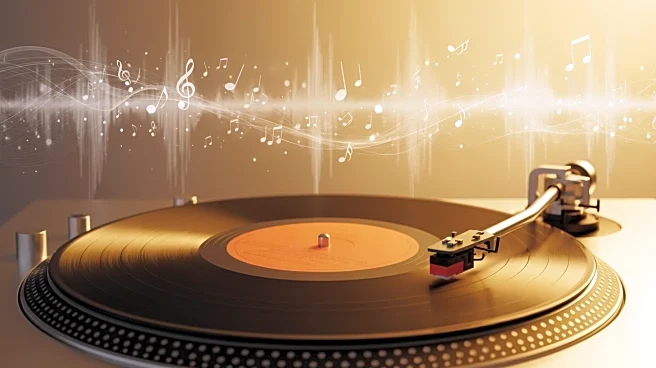
aesthetic and symbolic consumption, has embraced vinyl not just for its audio quality but as a form of affordable art and home decor. According to a Vinyl Alliance survey, 56% of Gen Z fans appreciate vinyl for its aesthetic appeal, while 37% use it as home decoration. Swift's albums, often released in colorful and exclusive variants, have set a new standard in the music industry, influencing other artists like Lana Del Rey and Olivia Rodrigo. Her albums consistently rank among the top-selling vinyl records, with five of her albums in the top 10 most sold vinyl albums last year in the U.S., as reported by Luminate.
Why It's Important?
The resurgence of vinyl records, driven by Gen Z's purchasing habits, highlights a shift in consumer behavior towards tangible and collectible music formats. This trend not only revitalizes the physical music market but also impacts the broader music industry by encouraging artists to innovate in album presentation and marketing. For artists, this means exploring new ways to engage fans through exclusive content and artistic album designs. Retailers and local record stores benefit from increased foot traffic and sales, as consumers seek out unique and limited-edition releases. This trend also underscores a broader cultural movement among younger generations towards nostalgia and the appreciation of physical media in a digital age.
What's Next?
As the demand for vinyl continues to grow, artists and record labels may increasingly focus on creating unique and collectible album variants to capture the interest of Gen Z consumers. This could lead to more collaborations between artists and visual designers to produce albums that are not only musically appealing but also visually striking. Additionally, local record stores might see a resurgence as key destinations for music enthusiasts seeking rare finds and community experiences. The trend could also prompt further innovation in how music is packaged and marketed, potentially influencing other industries to explore similar strategies in product presentation.