





What's Happening?
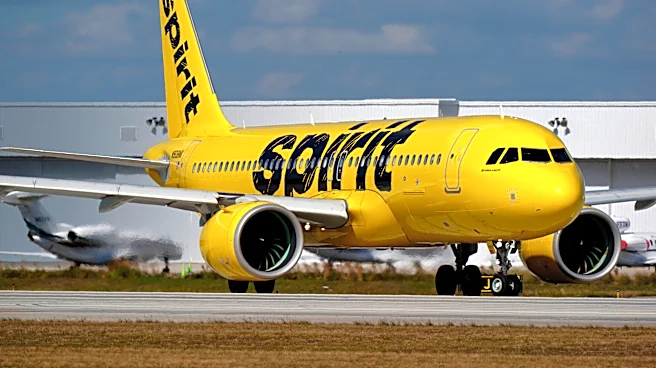
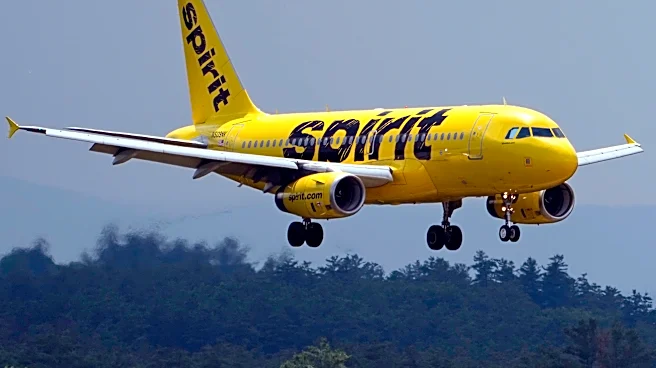
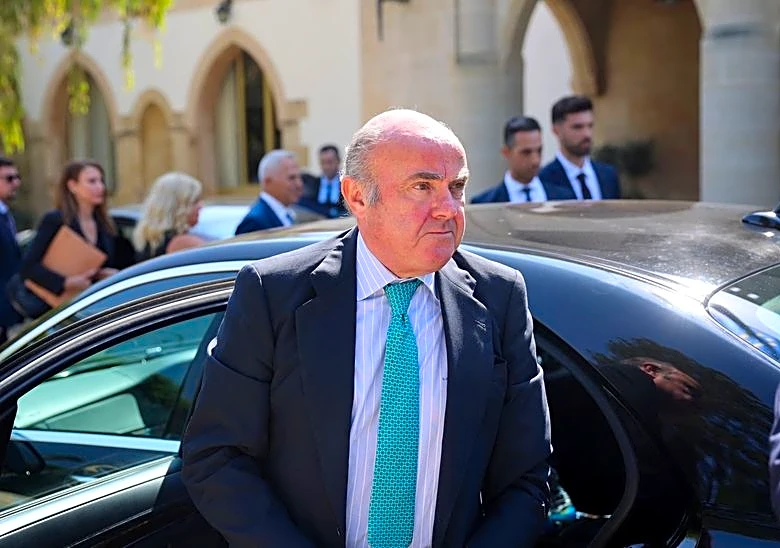
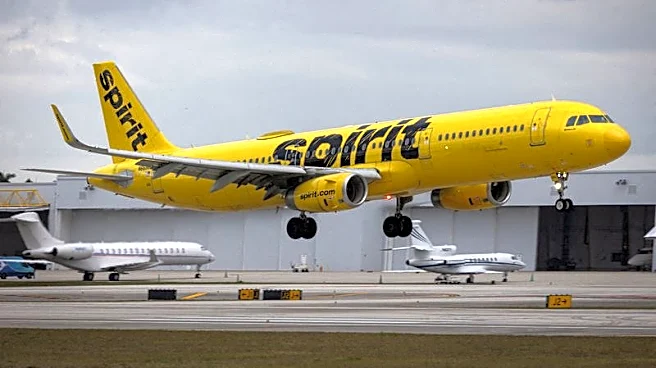
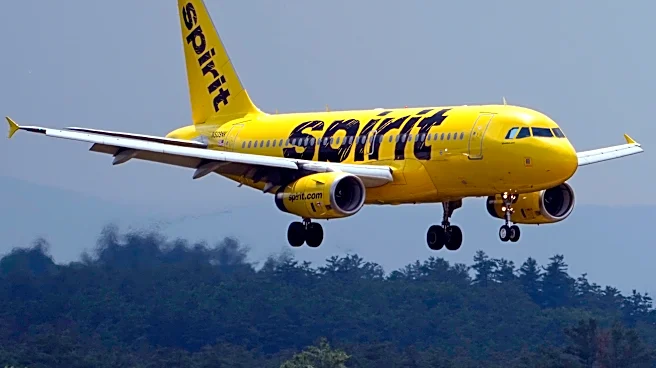
According to Sean Duffy, Spirit Airlines' financial collapse was primarily due to internal mismanagement rather than external factors like the Iran conflict. The airline, which has filed for bankruptcy twice in the past year, announced it would cease
operations immediately. CEO Dave Davis cited rising jet fuel costs as a critical factor in the airline's inability to recover. Despite requests for a $2.5 billion federal bailout, the government has been reluctant to provide financial assistance without demonstrated necessity. Spirit's creditors rejected a rescue plan, leading to the airline's decision to shut down.
Why It's Important?
The closure of Spirit Airlines highlights the vulnerabilities within the budget airline sector, particularly in managing operational costs and financial sustainability. The airline's failure to secure a bailout reflects broader challenges in obtaining government support, especially when internal management issues are perceived as the root cause. This development may lead to increased scrutiny of airline business models and their resilience in economic downturns. The situation also raises questions about the role of government intervention in private sector failures and the criteria for financial assistance.
What's Next?
As Spirit Airlines exits the market, competitors are likely to capitalize on the opportunity to expand their market presence. Avelo Airlines has already announced fare discounts and recruitment efforts for displaced Spirit employees. The airline industry's response to this development may include strategic adjustments to capture Spirit's customer base. Additionally, the situation may prompt policy discussions on the criteria for government bailouts and the need for regulatory oversight to ensure airline stability. Stakeholders will need to navigate these changes while addressing the broader implications for the aviation sector.