


What's Happening?
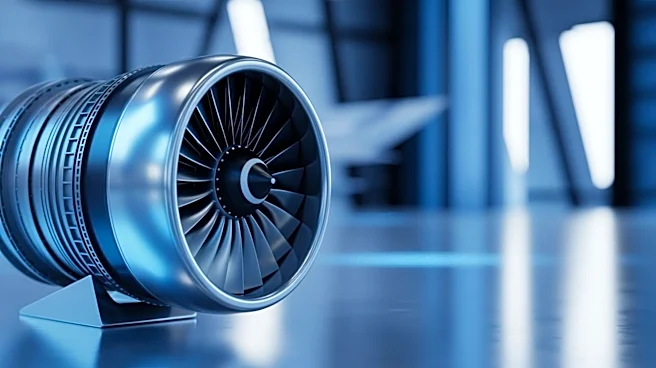
Hanwha Aerospace, in collaboration with the Korea AeroSpace Administration (KASA), is set to develop a new turbofan engine designed for collaborative combat aircraft (CCAs) and other uncrewed aircraft. The engine, which will feature a high-bypass design,
is expected to deliver 4,500lb of thrust and be ready by 2029. It will also be suitable for small business jets and commercial aircraft. This initiative is part of a broader investment by Hanwha in UAVs and engine development, totaling $498 million. The engine will integrate a starter-generator on the engine shaft, providing up to 100kW of electrical power, essential for the power-intensive needs of CCA platforms.
Why It's Important?
The development of this new turbofan engine is crucial as it addresses the growing global demand for advanced propulsion systems in uncrewed and collaborative combat aircraft. These systems require significant power for computing, radar, and electronic warfare operations. Hanwha's investment in this technology positions the company to meet the performance and affordability needs of its customers, potentially enhancing South Korea's defense capabilities. The project also highlights the strategic importance of developing indigenous aerospace technologies to reduce reliance on foreign suppliers and boost national security.
What's Next?
Hanwha Aerospace will continue its development efforts, with the engine expected to be operational by 2029. The company will likely engage in further testing and refinement of the engine to ensure it meets the rigorous demands of military and commercial applications. As the project progresses, Hanwha may seek partnerships with other aerospace firms and defense agencies to expand the engine's applications and market reach. The successful deployment of this engine could lead to further advancements in uncrewed aircraft technology and solidify South Korea's position as a leader in aerospace innovation.