





What's Happening?
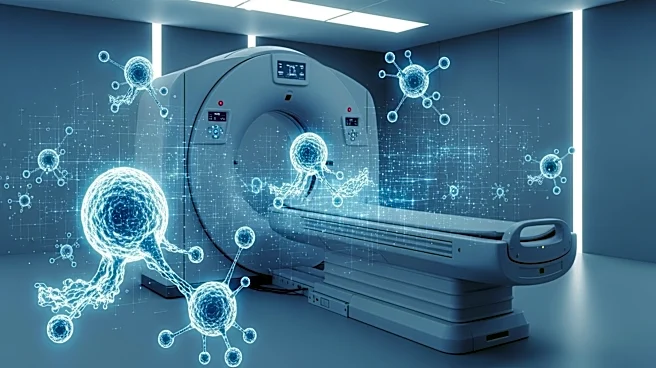
Royal Philips has received 510(k) clearance from the U.S. Food and Drug Administration (FDA) for its Rembra platform, which includes the Rembra CT, Rembra RT, and Areta RT systems. These systems are designed to improve the speed, efficiency, and access
to high-quality imaging, particularly in cancer care. The Rembra platform aims to address the increasing demand for imaging and radiation therapy planning by providing high-throughput imaging capabilities. The systems are equipped with advanced acquisition and reconstruction capabilities, supporting rapid and precise imaging necessary for critical clinical decisions. The Rembra RT and Areta RT systems are specifically tailored for radiation therapy, offering high-fidelity imaging for treatment planning with a wide field of view and next-generation 4DCT imaging capabilities. This development is part of Philips' strategy to integrate advanced imaging technologies with intelligent workflows, enhancing the overall efficiency and coordination of patient care.
Why It's Important?
The FDA clearance of Philips' Rembra platform is significant as it addresses the growing need for efficient and precise imaging solutions in healthcare, particularly in cancer treatment. As imaging volumes and clinical complexities rise, healthcare providers require systems that can deliver high-quality results quickly and reliably. The Rembra platform's ability to support up to 270 exams per day in various clinical settings, including emergency and critical care, highlights its potential to streamline operations and improve patient outcomes. By enhancing the precision of radiation therapy planning, the platform also contributes to more personalized and effective cancer treatments, potentially reducing the risk of damage to healthy tissues. This advancement not only benefits healthcare providers by improving workflow efficiency but also enhances patient care by enabling more accurate diagnoses and treatment plans.
What's Next?
With the FDA clearance, Philips is poised to expand the deployment of its Rembra platform across healthcare facilities in the U.S. The company will likely focus on integrating these systems into existing clinical workflows to maximize their impact on patient care. As healthcare providers adopt these advanced imaging solutions, there may be increased collaboration between Philips and medical institutions to further refine and optimize the use of the Rembra platform. Additionally, Philips may continue to innovate and expand its CT imaging portfolio, potentially introducing new features and capabilities that address emerging needs in the healthcare industry. The success of the Rembra platform could also influence other companies in the health technology sector to develop similar solutions, fostering competition and innovation in medical imaging.