




What's Happening?
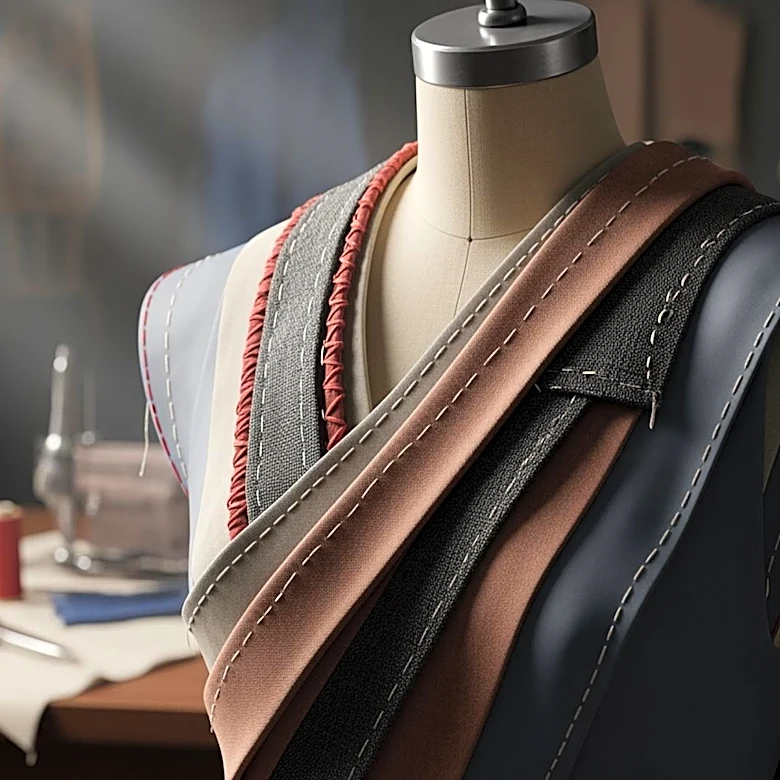
Chanel's creative director, Matthieu Blazy, is making waves in the fashion industry with his innovative use of high-end textiles for the brand's Cruise 2027 collection. The ACT3 workshop in Pau, France, is producing a new fabric specifically developed
for this collection, updating traditional Basque striped linen with flecked horizontal bands. This fabric is used to give Chanel's signature skirt suit a sporty twist. ACT3, founded by Maria Messner, has been working closely with Lesage, Chanel's embroidery and weaving specialist, for over 25 years. The workshop employs 45 people, all trained on the job, and focuses on quality over productivity, slowing down traditional looms to allow human intervention. Chanel's president of fashion, Bruno Pavlovsky, emphasizes the importance of French manufacturing in producing high-end fabrics that distinguish Chanel from competitors.
Why It's Important?
The use of high-end textiles in Chanel's Cruise 2027 collection highlights the brand's commitment to quality and innovation. By focusing on unique fabrics, Chanel sets itself apart in the competitive fashion industry, appealing to customers who value the provenance and craftsmanship of their clothing. The collaboration with ACT3 and Lesage ensures the survival of traditional textile manufacturing techniques, supporting local jobs and preserving cultural heritage. This approach not only strengthens Chanel's supply chain but also reinforces the 'made in France' label, which remains significant in the luxury fashion market. The emphasis on high-quality materials could influence other brands to prioritize fabric quality, potentially revitalizing the textile sector.
What's Next?
Chanel's continued investment in high-end textiles and collaboration with specialty manufacturers like ACT3 may lead to further innovations in fabric design and production techniques. As Matthieu Blazy and his team explore the possibilities offered by domestic manufacturers, Chanel could introduce more unique and unexpected fabrics in future collections. This focus on quality and craftsmanship may inspire other luxury brands to follow suit, potentially increasing demand for high-tier textiles. The preservation of traditional manufacturing techniques could also attract attention from fashion historians and cultural institutions, highlighting the importance of maintaining artisanal skills in the modern fashion industry.
Beyond the Headlines
Chanel's approach to textile manufacturing raises important questions about sustainability and ethical production practices in the fashion industry. By prioritizing quality over speed, Chanel supports a more sustainable model of production that values craftsmanship and reduces waste. This could encourage other brands to adopt similar practices, promoting a shift towards more responsible and environmentally friendly fashion. Additionally, the collaboration with ACT3 and Lesage highlights the role of small, specialized manufacturers in the global fashion supply chain, emphasizing the need to protect and support these businesses to ensure the survival of traditional skills and techniques.