






What's Happening?
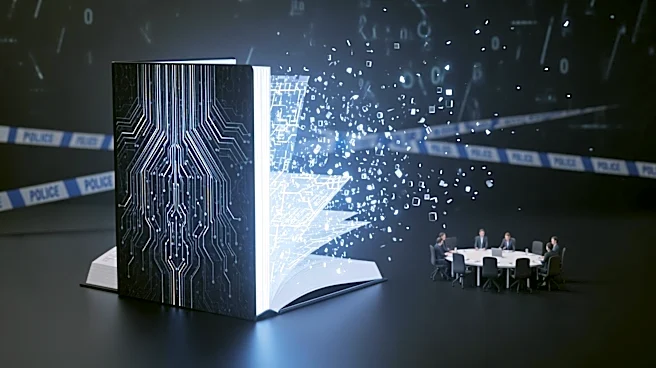
A short story titled 'The Serpent in the Grove,' written by Jamir Nazir and a regional winner of the Commonwealth Short Story Prize, has sparked controversy after being published on Granta's website. According to The Atlantic, the story has been scrutinized
for potential AI involvement in its creation. Readers and critics have identified stylistic elements that suggest AI authorship, leading to discussions on platforms like Reddit. One user remarked that regardless of its origin, the story was 'painful to read.' This debate has shifted focus from authorship to the broader impact of AI on reading habits and interpretive practices.
Why It's Important?
The controversy surrounding 'The Serpent in the Grove' highlights a growing concern in the literary world about the influence of AI on reading and writing. As AI-generated content becomes more prevalent, it challenges traditional notions of authorship and literary quality. This shift could have significant implications for the publishing industry, as it may alter how readers engage with texts and how literary value is assessed. The debate also raises questions about the future of creative expression and the role of human creativity in an increasingly automated world.
What's Next?
As AI continues to evolve, the literary community may need to develop new frameworks for evaluating and understanding AI-generated content. This could involve creating guidelines for transparency in authorship and establishing criteria for assessing the quality of AI-assisted works. Additionally, publishers and literary critics might explore ways to adapt to changing reading practices, potentially redefining what constitutes a meaningful reading experience in the digital age.
Beyond the Headlines
The discussion around AI-generated literature also touches on ethical considerations, such as the potential for AI to replicate or mimic human creativity without proper attribution. This raises concerns about intellectual property rights and the preservation of artistic integrity. Furthermore, the integration of AI in literature could lead to a reevaluation of educational approaches to reading and writing, as students and educators navigate a landscape where machine-generated content is increasingly common.