
What's Happening?
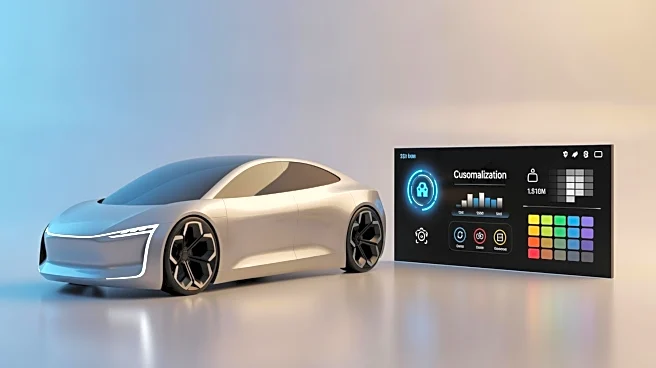
The automotive industry is gearing up for significant changes in 2026, with several key trends expected to shape the market. Notably, the industry will see a continued emphasis on electric vehicles (EVs), with more models offering increased power, range, and affordability. The introduction of Extended Range Electric Vehicles (EREVs) is anticipated, combining electric and gas power for enhanced performance. Additionally, car manufacturers are focusing on personalization, allowing consumers to customize features such as colors and interior finishes more easily. This shift is facilitated by advancements in manufacturing processes and supply chain management. Furthermore, heritage models are making a comeback, with brands like Honda and Acura reviving
classic names. The market for adventure vehicles and family SUVs is also expected to grow, catering to consumer demand for versatile and capable vehicles.
Why It's Important?
These developments are crucial as they reflect the automotive industry's response to evolving consumer preferences and technological advancements. The focus on EVs aligns with global efforts to reduce carbon emissions and transition to sustainable energy sources. By offering more affordable and efficient EV options, manufacturers can attract a broader customer base and contribute to environmental goals. Personalization trends indicate a shift towards consumer-centric approaches, enhancing customer satisfaction and brand loyalty. The revival of heritage models and the expansion of adventure vehicles cater to niche markets, potentially boosting sales and market share. Overall, these trends highlight the industry's adaptability and commitment to innovation, which are essential for maintaining competitiveness in a rapidly changing market.
What's Next?
As these trends unfold, the automotive industry is likely to see increased competition among manufacturers to offer the most innovative and appealing vehicles. Companies may invest in research and development to enhance EV technology and personalization options further. Regulatory changes and government incentives for EV adoption could also influence market dynamics. Additionally, consumer feedback and market performance will play a critical role in shaping future strategies. Stakeholders, including policymakers, environmental groups, and industry leaders, will need to collaborate to address challenges and opportunities presented by these trends.