


What's Happening?
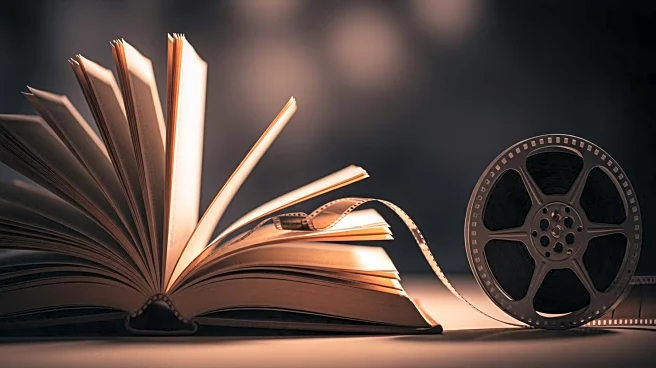
NPR's Pop Culture Happy Hour podcast explores the nuances of adapting books into films, highlighting the balance between staying true to the source material and making creative departures. The discussion features examples like 'Wuthering Heights,' 'Little Women,' 'Nickel Boys,' 'Blade Runner,' and 'Starship Troopers.' Each adaptation is analyzed for how it captures the essence of the original work while utilizing the unique strengths of the film medium. The conversation delves into how films like 'Blade Runner' focus on visual storytelling, while 'Little Women' contemporizes its narrative without losing the book's core themes. The podcast also examines how 'Starship Troopers' satirizes its source material, offering a critique of its underlying
philosophies.
Why It's Important?
The discussion on book-to-film adaptations is significant as it highlights the cultural and artistic challenges involved in translating written narratives into visual media. These adaptations can influence public perception of the original works and introduce them to new audiences. The choices filmmakers make in adapting a book can spark debates about fidelity to the source material versus creative interpretation. This conversation is particularly relevant in the context of ongoing discussions about the role of media in shaping societal values and the importance of diverse storytelling methods. The analysis of these adaptations also underscores the impact of film as a medium that can both preserve and transform literary works.
What's Next?
As the conversation around book-to-film adaptations continues, audiences and critics alike will likely engage in further discussions about the balance between artistic license and fidelity to source material. Future adaptations may explore new ways to innovate while respecting the original narratives. Filmmakers might also consider the evolving expectations of audiences who are increasingly aware of the cultural and social implications of these adaptations. The ongoing dialogue could influence how future projects are approached, potentially leading to more diverse and inclusive storytelling in both literature and film.
Beyond the Headlines
The exploration of book-to-film adaptations also touches on broader themes such as the commercialization of literature and the role of media in cultural preservation. These adaptations can serve as a bridge between different art forms, offering opportunities for cross-cultural exchange and understanding. Additionally, the discussion raises questions about the ethical responsibilities of filmmakers in representing complex narratives and the potential for adaptations to either reinforce or challenge societal norms.