

What's Happening?
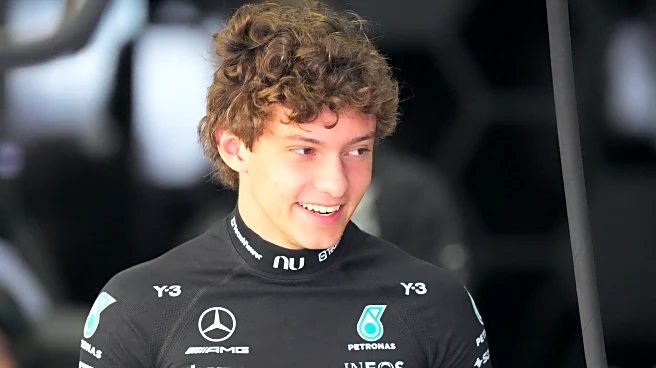
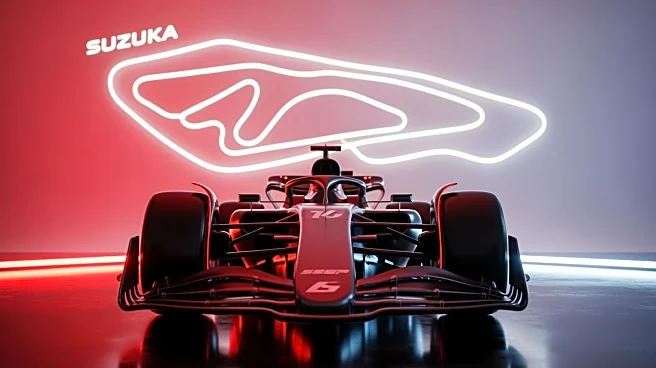
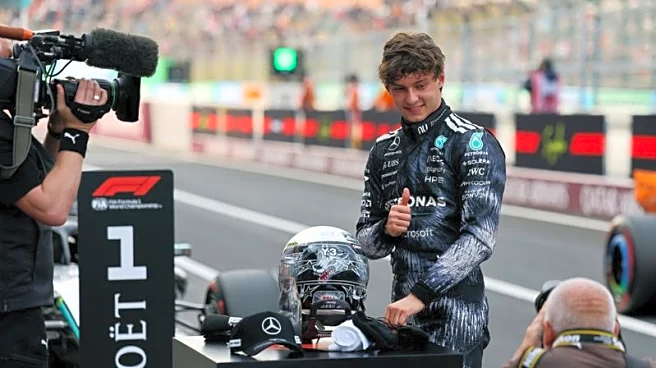
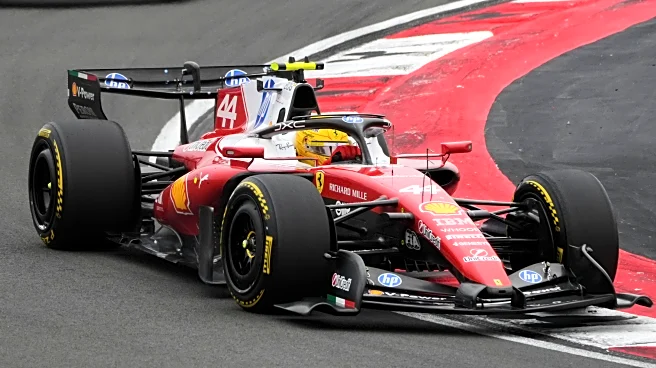
Charles Leclerc, a driver for Ferrari, expressed his dissatisfaction with the new Formula 1 qualifying rules following a setback during the Japanese Grand Prix. Leclerc qualified fourth, trailing Kimi Antonelli's Mercedes by over 0.6 seconds. Despite
being the fastest in the first sector of the lap, a slide at Spoon corner disrupted his power unit's energy deployment, costing him significant time on the straight. The new rules require nearly half of the power unit's output to come from its battery, which can lead to power loss if the energy deployment is interrupted. Leclerc's frustration stems from the rules' impact on risk-taking and consistency, as small errors can lead to significant power deployment issues.
Why It's Important?
The new qualifying rules in Formula 1 have significant implications for drivers and teams. By emphasizing battery power, the rules alter the dynamics of qualifying sessions, potentially reducing the reward for aggressive driving styles. This shift could impact team strategies and driver performances, as consistency becomes more crucial than taking risks. For teams like Ferrari, adapting to these changes is essential to remain competitive. The rules also highlight the ongoing evolution of F1 towards more sustainable energy use, reflecting broader trends in the automotive industry. However, the dissatisfaction among drivers like Leclerc suggests that further adjustments may be necessary to balance innovation with competitive fairness.
What's Next?
As the Formula 1 season progresses, teams and drivers will need to adapt to the new qualifying rules. Discussions between the FIA, teams, and drivers are likely to continue, focusing on potential adjustments to the rules to address concerns about fairness and competitiveness. The impact of these rules on race outcomes will be closely monitored, and any significant disparities in performance could prompt further changes. Teams may also explore technological innovations to optimize energy deployment strategies within the current framework. The ongoing dialogue will be crucial in shaping the future of F1 qualifying sessions.