





What's Happening?
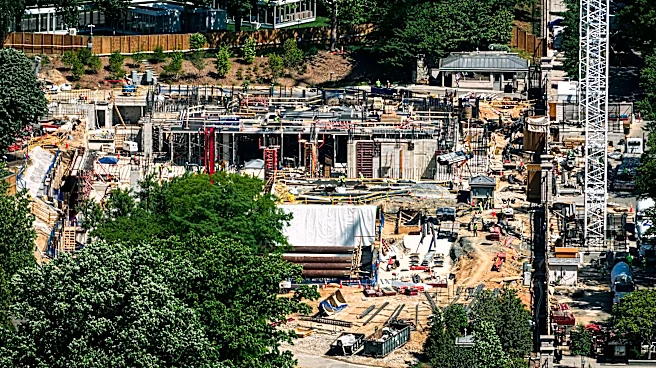
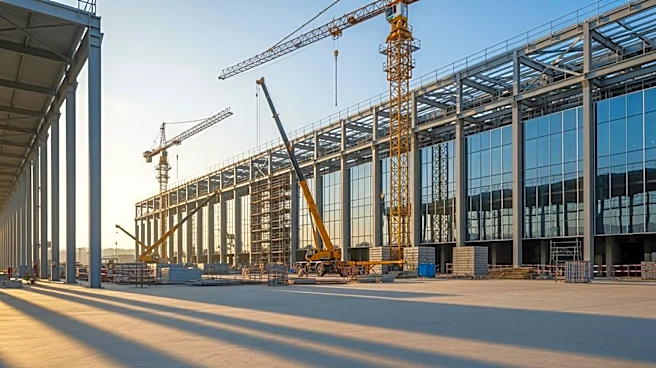
Nebius, an AI cloud company, has commenced construction on its flagship AI factory campus in Independence, Missouri. This project marks Nebius's first gigawatt-scale digital infrastructure initiative in the United States. The groundbreaking ceremony,
held on May 12, 2026, was attended by state and local leaders, economic development partners, and community members. The facility will be built on approximately 400 acres and is expected to create around 1,200 construction jobs, primarily sourced from local union building trades, and 130 permanent high-tech positions. The investment is projected to generate $650 million in tax payments to local school districts and taxing jurisdictions over the next 20 years. Nebius has also established a community benefits plan focused on education and local investment, including a recent donation to eliminate school meal debt in local school districts and an agreement with Metropolitan Community College to enhance AI literacy and workforce development.
Why It's Important?
The construction of the Nebius AI factory in Independence is a significant development for the local economy and the broader technological landscape in Missouri. This project not only promises to create numerous jobs but also positions Missouri as a leader in digital infrastructure. The investment is expected to bolster local schools and businesses, providing long-term economic stability and opportunities. By focusing on education and workforce development, Nebius is contributing to the region's ability to compete in the technology and innovation economy. The project underscores Missouri's growing reputation as a destination for high-tech industry and forward-looking investment, potentially attracting further technological advancements and investments to the area.
What's Next?
As construction of the AI factory progresses, Nebius will continue to engage with the local community and stakeholders to ensure the project's benefits are maximized. The company has committed to minimizing environmental impacts through intentional design measures, such as reducing water use and containing noise and light. As the facility becomes operational, it is expected to further integrate with local educational institutions to enhance AI literacy and workforce readiness. The success of this project could serve as a model for similar initiatives across the country, potentially influencing how AI infrastructure is developed and integrated into local economies.