


What's Happening?
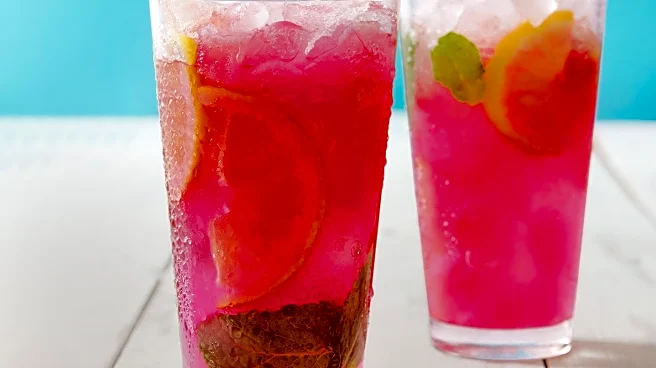
Canned mocktails are becoming increasingly popular as more Americans choose to reduce alcohol consumption. A survey by NCSolutions indicates that 49% of Americans planned to drink less alcohol in 2025, with a significant portion of Gen Z opting for sobriety. This shift is partly due to growing awareness of alcohol's health risks, including its link to cancer and brain health issues. The market for non-alcoholic beverages is expanding, with products like De Soi Aperitif and Phony Negroni gaining traction. These beverages offer a sophisticated alternative to traditional alcoholic drinks, appealing to those exploring sober curiosity.
Why It's Important?
The rise in popularity of canned mocktails reflects a broader societal shift towards health-conscious living. As
awareness of alcohol's health risks increases, more consumers are seeking alternatives that allow them to enjoy social settings without compromising their health. This trend could significantly impact the beverage industry, leading to increased innovation and diversity in non-alcoholic product offerings. It also highlights a cultural shift towards moderation and mindfulness in consumption habits, potentially influencing public health outcomes positively.
What's Next?
The trend towards sobriety and moderation is likely to continue, with more consumers exploring non-alcoholic options. This could lead to further growth in the mocktail market and increased competition among brands to offer unique and appealing products. Public health campaigns may also capitalize on this trend to promote awareness of alcohol-related health risks. Additionally, social norms around drinking may evolve, with non-alcoholic options becoming more mainstream in social and professional settings.
Beyond the Headlines
The increasing popularity of mocktails may also influence social dynamics, as traditional alcohol-centric gatherings adapt to include non-alcoholic options. This could lead to more inclusive social environments where individuals who choose not to drink alcohol feel more comfortable. The trend also raises questions about the role of alcohol in society and how changing attitudes towards consumption could impact cultural practices and norms.