






What's Happening?
The aerospace and defense sectors are increasingly adopting artificial intelligence (AI) to address workforce shortages and enhance production capabilities. Companies like Voyager Technologies are implementing AI-driven workflows to accelerate the development
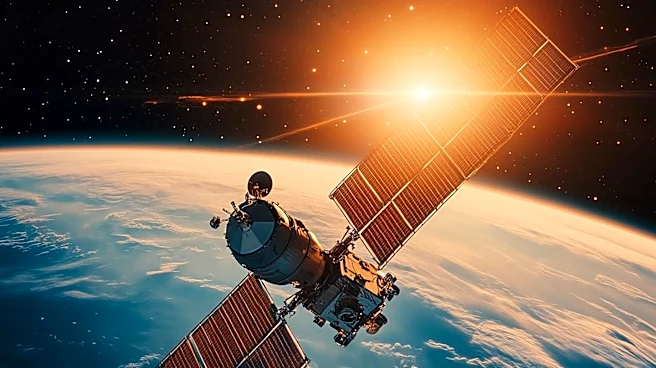
of national security systems, such as missile interceptors and satellites. This shift is driven by the Pentagon's demand for faster production and the need to compete with global powers like China. AI is being used not as a replacement for workers but as a tool to help the existing workforce manage more programs and reduce production bottlenecks. The technology is expected to compress development timelines, which have historically been lengthy, and improve efficiency across engineering, testing, and manufacturing processes.
Why It's Important?
The integration of AI in aerospace and defense is crucial as it addresses the pressing issue of workforce shortages in these sectors. By enhancing production capabilities, AI helps meet the increasing demand for advanced defense systems, which is vital for national security. The ability to produce these systems quickly and efficiently is a strategic asset, especially in the face of rising global competition. This development also highlights the broader trend of AI adoption across industries, showcasing its potential to transform traditional manufacturing processes and improve operational efficiency.
What's Next?
As AI continues to be integrated into aerospace and defense, companies may further invest in AI technologies to enhance their production capabilities. This could lead to increased collaboration between industry and government to ensure that AI-driven systems meet national security needs. Additionally, there may be a push for training programs to equip the workforce with the necessary skills to work alongside AI technologies. The ongoing demand for faster production may also drive further innovation in AI applications within these sectors.