
What's Happening?
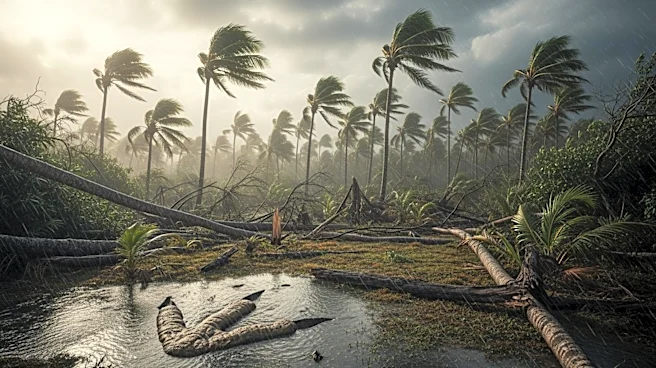
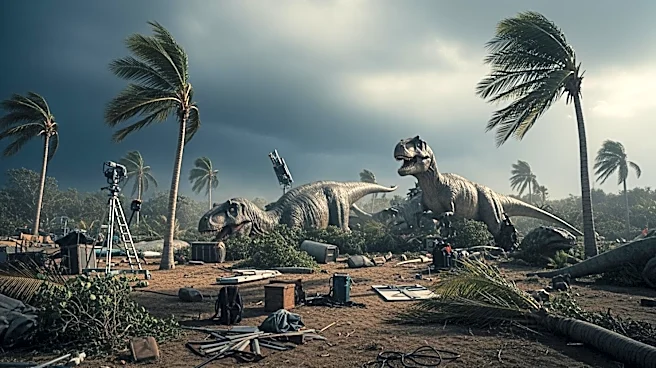
Chris Pratt, the Hollywood actor known for his role in the Jurassic World series, disclosed that a significant part of the film set was destroyed due to severe storms in Hawaii. Specifically, the bungalow
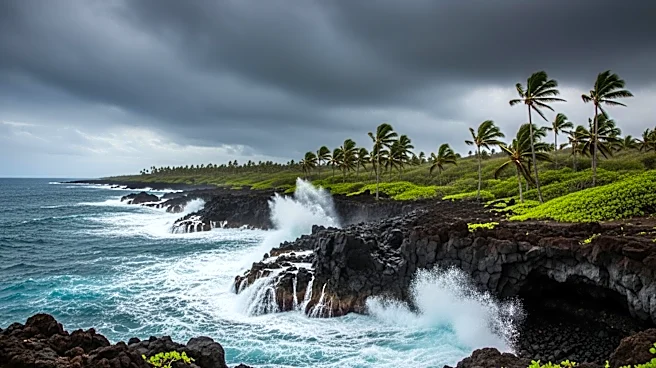
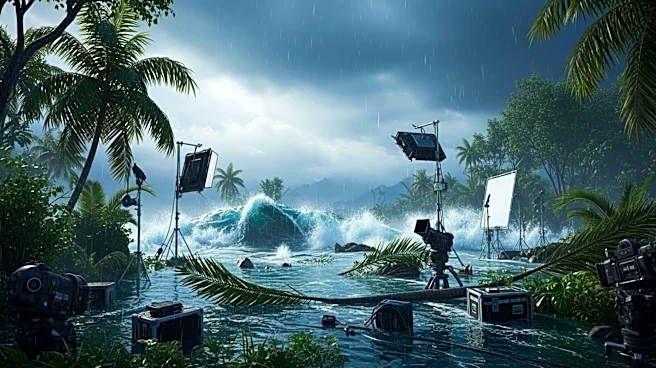
belonging to Pratt's character, Owen Grady, was damaged by a fallen tree during the storms. These storms, identified as Kona lows, are seasonal cyclones that have brought the worst flooding to Hawaii in two decades. The University of Hawaii reported that the storms resulted in 2 trillion gallons of rainfall over a 14-day period. Jason Momoa, another actor, also shared his experience of having to evacuate with his family from O'ahu's North Shore due to the adverse weather conditions.
Why It's Important?
The destruction of the Jurassic World set highlights the vulnerability of film productions to natural disasters, which can lead to significant financial and logistical challenges. The impact of the storms on the set underscores the broader implications of climate-related events on the entertainment industry, which often relies on specific locations for filming. Additionally, the severe weather conditions in Hawaii serve as a reminder of the increasing frequency and intensity of natural disasters, potentially linked to climate change, affecting communities and industries alike.
What's Next?
The immediate focus for the Jurassic World production team will likely be assessing the damage and determining the next steps for rebuilding or relocating the set. This incident may prompt film studios to consider more robust contingency plans for natural disasters, including insurance coverage and alternative filming locations. Furthermore, the broader conversation around climate change and its impact on various industries, including entertainment, may gain renewed attention as stakeholders seek to mitigate future risks.