

What's Happening?
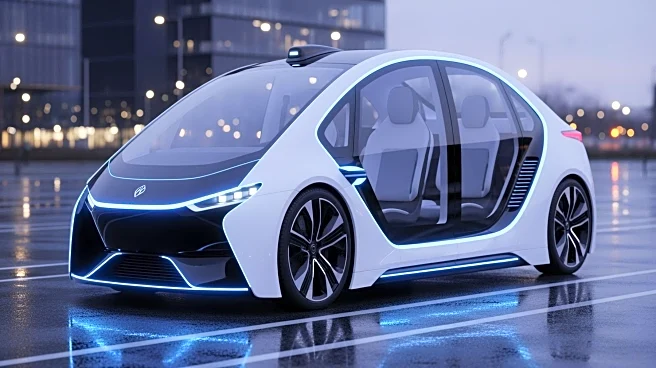
Pony.ai has delivered more than 100 seventh-generation (Gen-7) robotaxis to Guangzhou Chenqi Mobility Technology, marking a significant expansion in their partnership that began in 2022. These vehicles, based on the GAC Aion V model, will be integrated
into Chenqi's OnTime Mobility ride-hailing platform. The two companies have also signed an expanded strategic cooperation agreement to further grow the fleet and extend their geographic coverage. Under this agreement, Pony.ai will license its Virtual Driver autonomous driving system to fleet partners on a recurring revenue basis, while Chenqi Mobility will handle vehicle ownership, safety assurance, and platform operations. The Gen-7 platform is built with automotive-grade components and is designed for a lifespan of up to 600,000 kilometers. Pony.ai has reduced the cost of the autonomous driving kit by 70% compared to the previous generation, and the vehicles include features such as Bluetooth unlocking, in-vehicle voice interaction, and pre-trip climate control.
Why It's Important?
This development is significant as it represents a major step forward in the commercialization of autonomous vehicles, particularly in the ride-hailing sector. By expanding their fleet and geographic reach, Pony.ai and Chenqi Mobility are positioning themselves as leaders in the autonomous driving market in China. The reduction in costs for the autonomous driving kit makes the technology more accessible and economically viable, potentially accelerating the adoption of robotaxis. This could have broader implications for urban mobility, reducing reliance on human drivers and potentially lowering transportation costs. The success of this partnership could also influence other companies in the autonomous vehicle industry to adopt similar business models, focusing on scalability and cost efficiency.
What's Next?
Pony.ai aims to have over 3,000 robotaxi vehicles in commercial operation by the end of 2026, indicating a rapid expansion plan. The success of this initiative could lead to further partnerships and expansions into new markets, both within China and potentially internationally. As the technology and business model prove successful, other cities and countries may look to adopt similar systems, potentially leading to regulatory changes and new standards for autonomous vehicle operations. Stakeholders in the automotive and technology sectors will likely monitor this development closely, as it could set a precedent for future autonomous vehicle deployments.