
What's Happening?
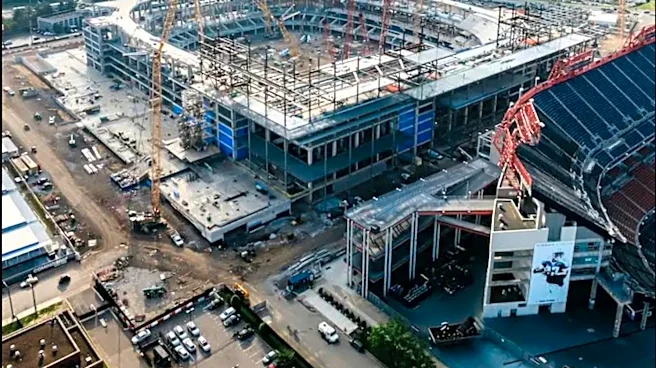
The Chicago Bears are set to provide an update on their stadium plans during the NFL's spring meetings in Orlando. The team will brief the owners of the other 31 NFL teams on the progress of their stadium project,
focusing on two potential locations: Arlington Heights, Illinois, and Hammond, Indiana. This update comes as the Bears continue to explore options outside of Chicago, despite the city's efforts to retain the team. Illinois Governor JB Pritzker has criticized Chicago Mayor Brandon Johnson for lacking a concrete plan to keep the Bears in the city. Meanwhile, Indiana has passed legislation that could expedite the stadium project, although environmental concerns remain unresolved. The Bears' decision is further complicated by the need for Illinois to finalize a deal that could prevent the team from relocating.
Why It's Important?
The Bears' stadium decision holds significant implications for local economies and regional development. A new stadium could bring substantial economic benefits, including job creation and increased tourism, to the chosen location. For Illinois, retaining the Bears is crucial to maintaining economic activity and sports culture in the state. Conversely, Indiana stands to gain economically if the Bears decide to relocate. The decision also impacts local infrastructure planning, as surrounding communities like Palatine, Rolling Meadows, and Schaumburg seek involvement in discussions about stadium-related infrastructure. The outcome of this decision will influence regional sports dynamics and could set a precedent for how other teams approach stadium negotiations.
What's Next?
The Bears' update at the NFL meetings is expected to clarify their stadium plans, but several hurdles remain. Illinois must pass legislation to offer a competitive deal to keep the Bears, while Indiana's environmental concerns need addressing. The Bears' final decision will likely depend on the resolution of these issues and the completion of necessary studies, such as traffic impact assessments. Stakeholders, including local governments and community leaders, will continue to advocate for their interests as the Bears weigh their options. The outcome of these discussions will shape the future of the Bears' home and influence regional development strategies.